Alka Melt Drops Official Website › Blog › Grape Seed Extract: The Blood Pressure Trials
Grape Seed Extract: The Blood Pressure Trials, Not A Weight Trial
Grape Seed Extract is the last of the seven botanicals on this pack sheet, and it has one of the larger clinical literatures of any name on the list — pooled across dozens of randomised trials. Every one of those trials was measuring the cardiovascular system. Read what that literature actually found, and what it never asked.

- This pack sheet names Grape Seed Extract with no weight and no standardisation marker.
- A 2022 dose-response meta-analysis pooled trials measuring flow-mediated dilation, blood pressure and heart rate — not weight, and not appetite.
- A separate 2016 meta-analysis of 16 randomised trials measured blood pressure specifically, and found a real but modest reduction.
- An earlier 2011 pooling covered a wider set of cardiovascular risk markers, again with no weight outcome among them.
- Proanthocyanidins, the active compound class, have their own absorption and dose literature separate from any single clinical trial.
What this pack sheet actually names
The retail pack sheet lists “Grape Seed Extract” seventh and last among its named botanicals, with no species given (Vitis vinifera, the common wine grape, is the species behind essentially all commercial grape seed extract) and no weight or standardisation marker printed beside it. That is consistent with every other name on this sheet, and it leaves the same open question this desk raises for the other six: a name without a number is not yet a dose.
What makes grape seed a useful case study is the size of its clinical literature. Where stone root and motherwort, covered elsewhere on this blog, have almost no controlled human trial data, grape seed extract has been pooled across dozens of randomised controlled trials in multiple independent meta-analyses. The question this page asks is not whether the evidence exists — it clearly does — but what, precisely, that evidence is evidence of.
The 2022 dose-response meta-analysis
A 2022 systematic review and meta-analysis published in Pharmacological Research pooled controlled trials of grape seed extract supplementation and analysed three outcomes together: flow-mediated dilation (a measure of how well the brachial artery relaxes in response to increased blood flow, used as a marker of endothelial function), blood pressure, and heart rate. The paper went further than most pooled analyses by running a duration- and dose-response analysis across the included trials, looking at whether higher doses or longer supplementation periods tracked with larger effects.
This is exactly the kind of paper this desk looks for when trying to establish a defensible dose range: not a single trial's result, but a pooled analysis explicitly built to answer the dose-response question. The three outcomes it reports on, taken together, describe vascular and cardiovascular function. None of the three is a body-composition or appetite measure.
Sixteen trials, one outcome: blood pressure
A separate 2016 meta-analysis, published in the journal Medicine, pooled sixteen randomised controlled trials specifically to answer one question: does grape seed extract change blood pressure? The paper reported a modest but statistically real reduction in both systolic and diastolic blood pressure across the pooled trials, with the effect more pronounced in certain subgroups (younger participants and those with higher baseline blood pressure, among others, in analyses of this kind).
| Meta-analysis | Trials pooled | Outcome measured |
|---|---|---|
| Foshati et al., 2022 (Pharmacological Research) | Dose- and duration-response analysis across controlled trials | Flow-mediated dilation, blood pressure, heart rate |
| Zhang et al., 2016 (Medicine) | 16 randomised controlled trials | Systolic and diastolic blood pressure |
| Feringa et al., 2011 (J Am Diet Assoc) | Randomised controlled trials, pooled risk-marker analysis | Blood pressure, LDL cholesterol, and other cardiovascular risk markers |
Three independent meta-analyses, three cardiovascular outcome sets. None of the three columns says weight.
The wider risk-marker pooling
The earliest of the three major meta-analyses, a 2011 paper in the Journal of the American Dietetic Association, cast the widest net, pooling randomised controlled trials to assess grape seed extract's effect across a broader set of cardiovascular risk markers: blood pressure again, but also lipid markers such as LDL cholesterol, and measures of oxidative stress. The authors found modest, generally favourable effects on several of these markers, with the usual caveats about trial heterogeneity that accompany any pooled analysis of a botanical supplement tested across different doses, durations and populations.
Read the Alka Melt Drops research beside every name
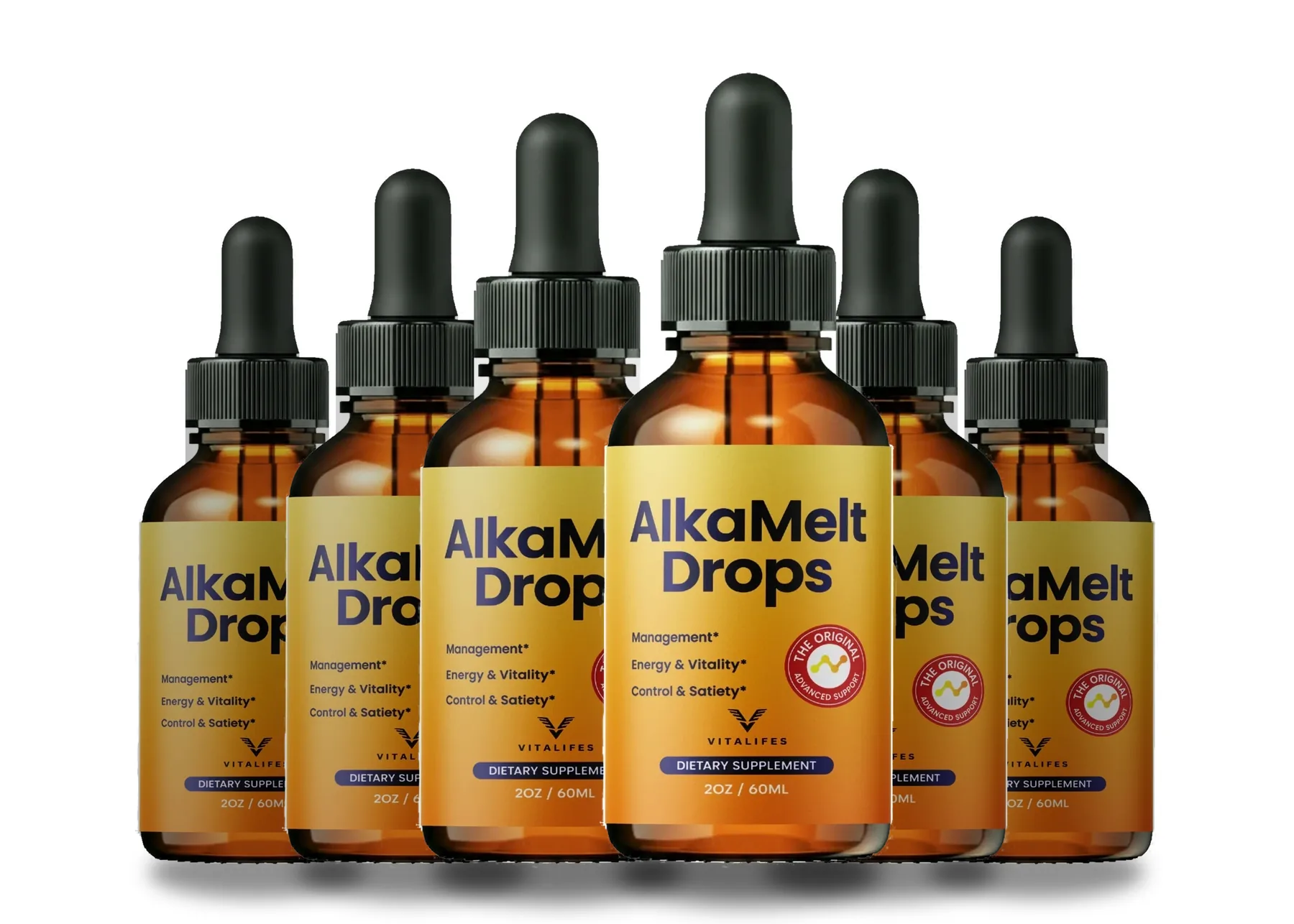
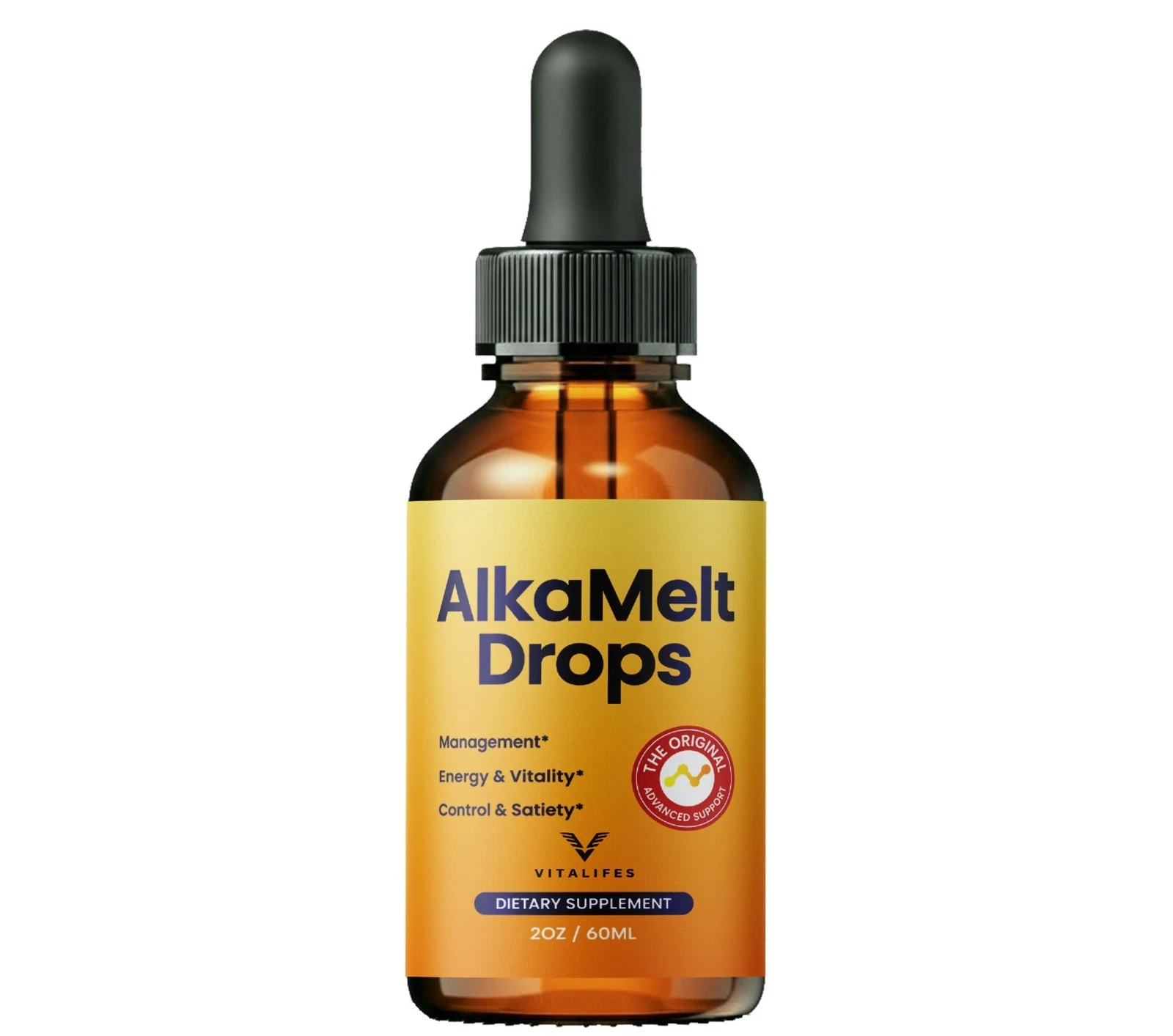
Seven botanicals on the retail pack sheet, four more on the seller’s artwork, and the dose or species gap each one’s trials carry printed next to it. A 2 fl oz / 60 mL amber glass dropper bottle, with the pack price at the seller’s checkout.
Price at checkout · one-time payment · money-back guarantee as printed on the listing
Order Alka Melt Drops On The Official Website2 fl oz / 60 mL amber glass dropper bottle · lot ALK-26/TH-2256
What a proanthocyanidin actually is, and why the dose matters
Grape seed extract's activity is generally attributed to its proanthocyanidin content — a class of polyphenolic compounds also called condensed tannins, built from chains of flavan-3-ol units. A 2017 review in the British Journal of Pharmacology lays out the chemistry and pharmacology of this compound class in detail: proanthocyanidins vary widely in chain length (their degree of polymerisation), and that variation affects how well the body absorbs them, since shorter-chain proanthocyanidins are absorbed more readily than longer polymers, which are mostly metabolised by gut bacteria before any of their breakdown products reach circulation.
That detail matters for reading a grape seed extract label honestly. A milligram figure for "grape seed extract" alone says nothing about the proportion of proanthocyanidins inside it, let alone their chain-length distribution, and none of the clinical trials pooled above were run on an unstandardised extract. Most used products standardised to a stated percentage of proanthocyanidins (commonly in the 90-95% range for commercial extracts used in trials), a detail this pack sheet does not provide.
Bioavailability compounds this further. The 2017 review notes that monomers and small oligomers (dimers and trimers) are absorbed reasonably well in the small intestine, while the larger polymers that make up much of a typical grape seed extract's proanthocyanidin content pass largely unabsorbed into the colon, where gut bacteria break them down into smaller phenolic acids — some of which may themselves be biologically active, in a research area still being actively mapped. The practical upshot is that "proanthocyanidin content" printed on a label is not a direct proxy for what reaches circulation; two extracts with identical percentages can behave differently in the body depending on their polymer distribution, a level of chemical detail no commercial supplement label this desk has reviewed actually provides.
What none of these three literatures measured
It is worth stating plainly what the pooled trial record above does not contain, because a "weight-management" framing sits elsewhere on this seller's marketing materials while grape seed's own clinical record has nothing to do with it. None of the three meta-analyses cited on this page measured body weight, body fat percentage, waist circumference or appetite. All three measured markers of vascular and cardiovascular function: blood pressure, flow-mediated dilation, heart rate, and lipid or oxidative-stress markers in the broadest of the three.
That is not a criticism of grape seed extract. Cardiovascular risk-marker research is real, useful research, and the pooled effect sizes reported above are modest but genuine. It is a statement about which claim this specific evidence can honestly support, and a "supports healthy blood pressure" framing sits much closer to what these trials actually tested than any claim about the scale.
It is also worth naming the trial populations these three pooled analyses actually drew from, since that detail rarely survives into marketing copy. Meta-analyses of this kind pool trials run in a mix of populations — some in healthy adults, others in people with elevated blood pressure, metabolic syndrome, or other cardiovascular risk factors at baseline — and the size of an effect in a pooled analysis is often driven disproportionately by the higher-risk subgroups, where there is simply more room for a measurable change. A healthy adult with normal blood pressure reading these headline figures should not expect to see the same magnitude of change the pooled trials report, because a meaningful share of the pooled benefit reflects people who started from a different baseline.
Reading a grape seed row on any label
Three questions.
- Is a proanthocyanidin percentage given? Without it, a milligram figure cannot be matched to the standardised extracts these meta-analyses pooled.
- What outcome is the claim attached to? Blood pressure and vascular function are the literatures this ingredient actually has. A weight or appetite claim borrows evidence from somewhere else.
- Is the species given? Vitis vinifera is standard; a label naming a different species is naming a different plant.
Like several other polyphenol-rich botanicals on this pack sheet, grape seed extract has been associated with mild antiplatelet effects in some research. Anyone taking an anticoagulant or antiplatelet medication should raise this bottle with their prescriber before starting it, the same caution this desk prints for horse chestnut and butcher’s broom elsewhere on this website.
That caution is worth repeating here rather than treating as a footnote, because grape seed sits in the same pack sheet as horse chestnut, butcher’s broom and Chinese hawthorn — three other names this website flags for the same reason, on the same page. A bottle naming four botanicals with an overlapping bleeding-risk profile is not automatically unsafe, but it is a reasonable prompt for anyone already on blood-thinning medication to have one conversation with a prescriber that covers the whole bottle, rather than checking each ingredient in isolation.
What that means for this bottle
This pack sheet names grape seed extract with no weight, no species and no proanthocyanidin percentage. That leaves every dose comparison above unavailable: there is no figure here to match against the trials that found a blood-pressure effect, and no way to know what fraction of this bottle's grape seed content is the compound class those trials actually tested.
What this desk can say honestly is this: grape seed extract has a real, sizeable, cardiovascular clinical literature behind it, none of it measuring weight, and this bottle gives no way to check whether its own grape seed content resembles the standardised extracts that literature was built on. This site’s ingredients page carries the same figures beside every other name on this pack sheet.
References
- Foshati S, Nouripour F, Sadeghi E, et al. The effect of grape (Vitis vinifera) seed extract supplementation on flow-mediated dilation, blood pressure, and heart rate: A systematic review and meta-analysis of controlled trials with duration- and dose-response analysis. Pharmacol Res. 2022;175:105905. PMID 34798267. https://pubmed.ncbi.nlm.nih.gov/34798267/
- Zhang H, Liu S, Li L, et al. The impact of grape seed extract treatment on blood pressure changes: A meta-analysis of 16 randomized controlled trials. Medicine (Baltimore). 2016;95(33):e4247. PMID 27537554. https://pubmed.ncbi.nlm.nih.gov/27537554/
- Feringa HH, Laskey DA, Dickson JE, Coleman CI. The effect of grape seed extract on cardiovascular risk markers: a meta-analysis of randomized controlled trials. J Am Diet Assoc. 2011;111(8):1173-81. PMID 21802563. https://pubmed.ncbi.nlm.nih.gov/21802563/
- Smeriglio A, Barreca D, Bellocco E, Trombetta D. Proanthocyanidins and hydrolysable tannins: occurrence, dietary intake and pharmacological effects. Br J Pharmacol. 2017;174(11):1244-1262. PMID 27646690. https://pubmed.ncbi.nlm.nih.gov/27646690/