Alka Melt Drops Official Website › Side effects
Side effectsAlka Melt Drops Side Effects And Interactions
The botanicals named for Alka Melt Drops have mild, uncommon and mostly digestive side effects in their own trials.
One interaction is measured rather than theoretical: hawthorn interferes with the laboratory test used to monitor digoxin. Three of the seven carry bleeding cautions. None of this can be scaled to a serving, because the wrap declares no amounts at all.
Material by material, then the three interactions worth naming to a prescriber.
What is known about Alka Melt Drops safety, and what is not
Two questions hide inside one, and they have very different amounts of evidence behind them.
Safety questions about a supplement split into two, and only one half of this one has an answer. The first half asks what each material in the bottle has done to people who swallowed it in a study. That is documented, sometimes across decades, and the rest of this page works through it material by material.
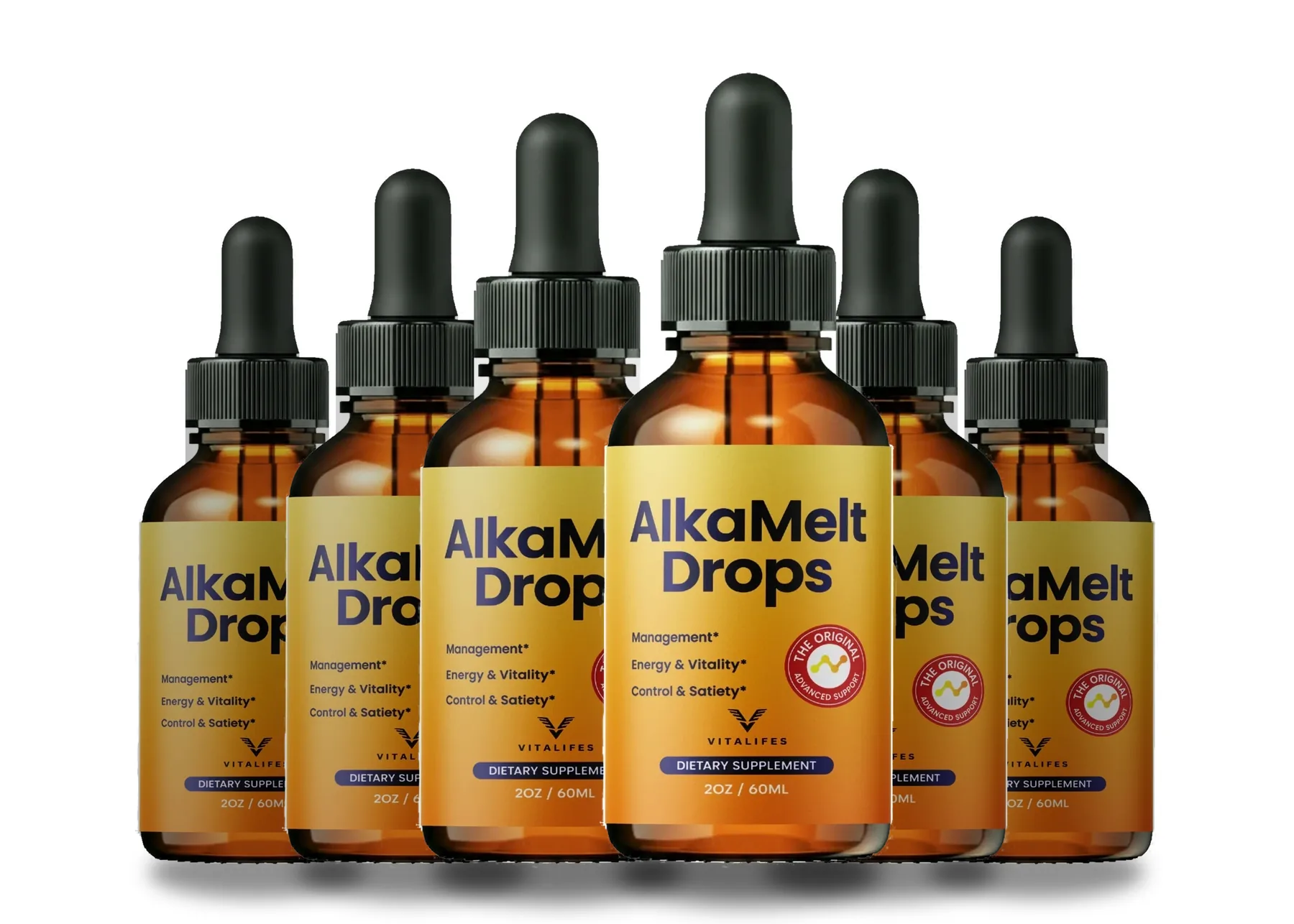
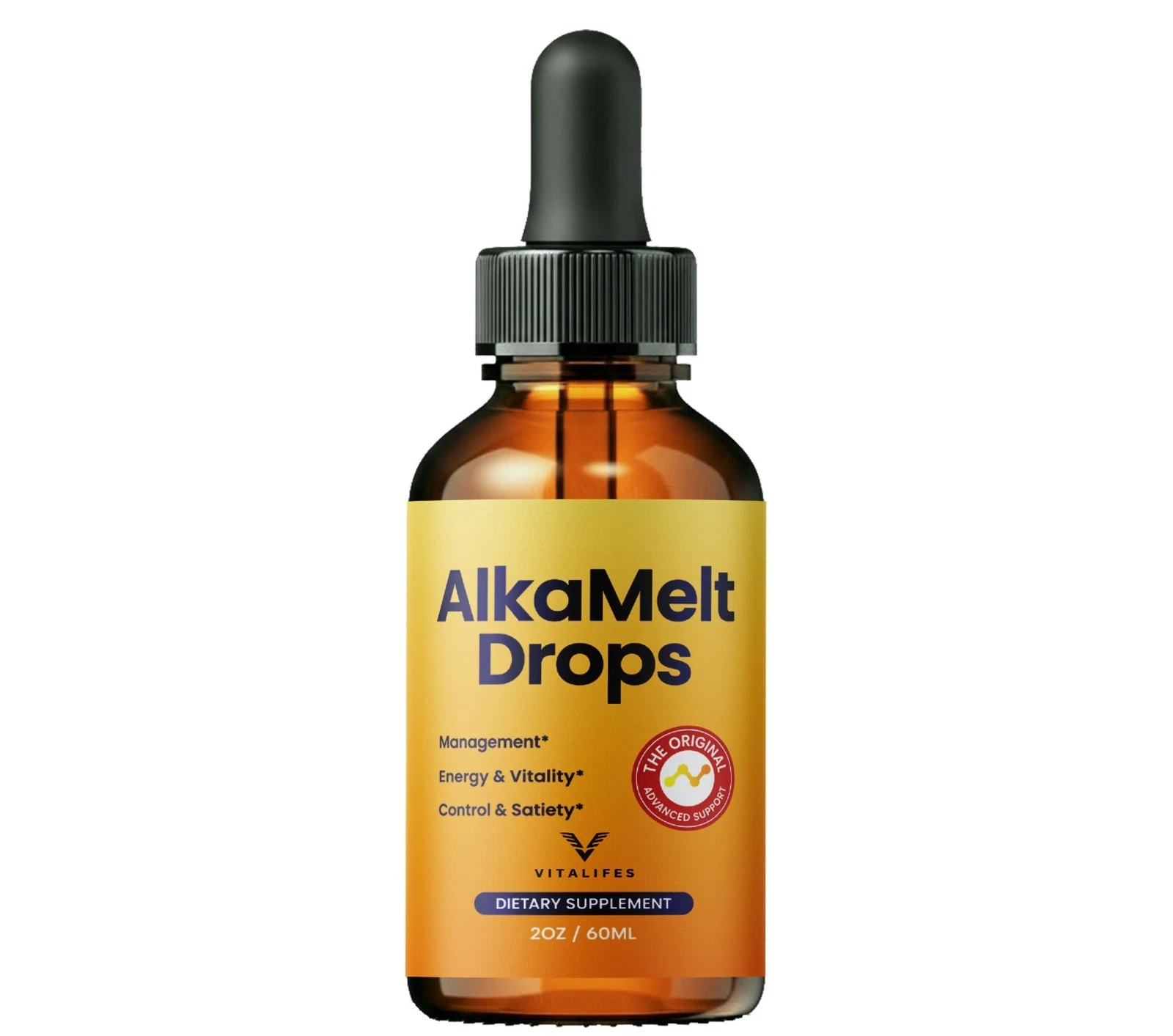
The second half asks how much of each material is in a serving of these drops. Nothing published answers that. The front wrap declares no serving size, no drop count and no ingredient row, and four different organisations have printed four different ingredient lists for the same product. Tolerability scales with amount, so an unreadable amount leaves the second half open.
What follows is therefore a map of the territory rather than a reading of this bottle. Where a material has caused a specific problem in people, it is named and the study that found it is linked. Where the concern is theoretical, it is called theoretical. Neither is dressed up as the other.
- Every botanical on the retail pack sheet has been taken by people in trials, and the pattern across those trials is mild, gastrointestinal and uncommon.
- One interaction is a measured pharmacokinetic result rather than a caution: hawthorn and digoxin.
- Three of the seven carry bleeding cautions that rest on mechanism, not on recorded bleeds in trials.
- The amount in a serving of these drops is not published, so none of the above can be scaled to this bottle.
What each Alka Melt Drops botanical has done to people in studies
Seven materials, and what the safety arms of their own studies recorded.
The seven names on the distributor’s retail sheet are venous botanicals with a long clinical record between them. The column below reports what turned up in the safety arms of those studies, not what a herbal reference book warns might happen.
| Material | What appeared in trials | How often |
|---|---|---|
| Gotu kola | Nausea and stomach upset; isolated reports of liver injury in supplement-adverse-event series | Uncommon; the liver reports are rare and mostly involve multi-ingredient products |
| Chinese hawthorn | Dizziness, mild nausea, headache | Reported in the heart failure trials, and comparable to placebo in most of them |
| Horse chestnut seed | Stomach complaints, itching, occasional nausea | About one in twenty in the pooled venous trials |
| Stone root | Nothing recorded, because no controlled human trial exists | Unknown |
| Motherwort | Nothing recorded in controlled human work | Unknown |
| Butcher’s broom | Gastrointestinal discomfort, mostly at the start | A few per cent in the Ruscus trials |
| Grape seed | Headache, dry mouth, mild stomach upset | Low, and not clearly separated from placebo in the pooled analyses |
Stone root and motherwort are blank rows for the same reason: nobody has run a controlled trial of either in people, so there is no safety arm to report. A blank is not a clean record.
Two entries deserve a sentence of their own. The supplement-associated liver injury literature does include Centella asiatica, and while the cases are rare and usually involve products containing several things at once, the chemical analyses run on those cases repeatedly found that the product taken did not match what the label said it contained. That is a labelling problem as much as a botanical one, and a bottle with no declaration is not in a position to rule it out.
Horse chestnut is the opposite case. The Cochrane review of seed extract for venous insufficiency collected seventeen trials and found adverse events mild and infrequent, with the extract at 600 mg a day standardised to 100 mg of aescin. The safety record belongs to that preparation at that amount.
Which medicines interact with the botanicals in Alka Melt Drops?
One measured, two mechanistic, one conditional on which published list turns out to be correct.
Three interactions are worth naming here, and only one of them is a measured result. Naming them precisely once is more use than a general warning repeated in every paragraph.
Digoxin, and the test that measures it
A crossover study in twelve healthy volunteers gave digoxin alone and then digoxin with 450 mg of hawthorn extract twice daily for three weeks. The pharmacokinetics did not shift meaningfully, which is reassuring about the drug itself. The separate problem is the assay: hawthorn constituents cross-react with the immunoassays laboratories use to measure digoxin levels, so a blood test can read wrong. Anyone on digoxin should tell the prescribing doctor that they are taking this, so the result is interpreted with that in mind.
Anticoagulants and antiplatelets
Horse chestnut, butcher’s broom and grape seed all carry bleeding cautions. The basis is mechanistic rather than observed: aescin and proanthocyanidins affect platelet behaviour and capillary permeability in laboratory work, and the venous trials were not designed to detect bleeding events. Nobody has demonstrated a bleed caused by these extracts at trial amounts. The caution stands anyway because the consequence is serious and the cost of mentioning it to a prescriber is nothing.
Blood-pressure and heart medicines
Hawthorn has been studied as an adjunct in chronic heart failure, which is the same territory several prescriptions occupy. The Cochrane review pooled fourteen trials and found symptom benefit alongside conventional treatment, which means the two were taken together deliberately and under supervision. Taking a botanical from that class without telling whoever manages the prescription is the part to avoid.
Diabetes medicines, if the artwork list is the real one
This one is conditional and is flagged because the conditionality is the point. Bitter melon appears on the seller’s own artwork rather than on the retail sheet. It lowered fasting glucose at 2,000 mg a day in a controlled trial, which is a real effect and one that stacks with a glucose-lowering prescription. Whether any is in this bottle is unknown, which is exactly why someone on insulin or a sulfonylurea should raise it.
Does the Alka Melt Drops dropper format change the risk?
Two risks that belong to the dropper rather than to anything dissolved in it.
Format matters more here than it usually does. A capsule is a unit: two capsules is twice one capsule, and a label that prints a capsule count is printing a dose. A dropper is not a unit until somebody defines one, and this wrap does not.
A full 60 mL squeeze bulb, a half-squeeze and a few shaken drops are three different amounts of everything in the bottle. Two people following the same unwritten instruction can take quantities that differ several-fold, and both will believe they took the serving. That is the mechanism by which an unremarkable botanical becomes an uncomfortable one.
The second format-specific point is the carrier. Liquid botanical extracts sit in something, usually glycerin, an alcohol solution, or water with a preservative. The wrap names none, so anyone avoiding alcohol for religious, medical or recovery reasons cannot confirm from the packaging that this bottle is free of it. The bottle that arrives may carry a back panel the photography does not show, and it is worth reading before the first serving.
Until the bottle in your hand tells you what a serving is, the only defensible approach is to start at the smallest amount the dropper can measure and keep it constant. Not because a small amount is safer in some vague way, but because a constant amount is the only one you can judge, adjust or report to a doctor.
Who should not take Alka Melt Drops?
Six groups, each for a stated reason rather than as blanket caution.
Some of this comes from the wrap, which points at the standard Food and Drug Administration statement and sets the product at adults. The rest follows from the materials named on the retail sheet.
- Anyone under 18. The wrap sets the product at adults and none of the trials behind these botanicals enrolled children.
- Anyone pregnant or nursing. Motherwort has a traditional reputation for acting on the uterus and no modern safety data to check it against, which is reason enough on its own.
- Anyone taking digoxin, until the prescriber knows, because of the measurement problem rather than the drug level.
- Anyone on an anticoagulant or antiplatelet, or booked for surgery in the next fortnight. Surgical teams routinely ask for botanical supplements to stop two weeks beforehand and this one belongs in that answer.
- Anyone with existing liver disease, given the gotu kola case reports and the impossibility of confirming what is in an undeclared liquid.
- Anyone with a known allergy to plants in these families — Apiaceae for gotu kola, Rosaceae for hawthorn, Asparagaceae for butcher’s broom.
Honest safety analysis: the Alka Melt Drops question this page cannot answer
Stated once, in the section whose job it is.
Everything above describes materials. None of it describes this bottle, and the distance between those two things is the honest finding of this page.
A safety profile is a dose-response curve. Take the amount used in the trial and the adverse-event rate is the one the trial reported; take five times it and nobody has measured what happens. Every figure on this page is anchored to a trial amount, and this wrap prints none of them, so no figure on this page can be carried across to a serving of these drops without an assumption nobody has earned.
It gets one degree worse. The seven materials on the retail sheet and the four on the seller’s own artwork share not one name between them, so the ingredient list itself is contested. A safety page can be thorough about seven botanicals and still be describing the wrong bottle.
This desk sells the product and says so plainly. It would be more comfortable to print a tidy tolerability paragraph and move on. The reason this section exists is that a reader on a prescription needs the gap named before they decide, not after the second bottle.
One photograph of a back panel with a Supplement Facts declaration on it, or a certificate of analysis tied to lot ALK-26/TH-2256 with quantities on it. If either reaches this desk, this page changes the same week and the review date moves with it.
What to do if Alka Melt Drops disagrees with you
Five practical steps, in the order they are actually useful.
Stop, and stop everything else new at the same time
If two things started in the same week, stopping one proves nothing. Stop both, let a few days pass, and reintroduce at most one.
Write down what happened and when
The time since the last serving, what else was taken that day, and whether it has happened before. Three lines on a phone is enough and is worth more to a doctor than a recollection a fortnight later.
Take the bottle with you if you see anyone
Nobody can look up a product they cannot name. The wrap carries the maker mark, the net contents and the lot, and that is what a clinician needs to start from.
Report it, which almost nobody does
Adverse events for supplements are reported through the FDA’s MedWatch programme. The reason the stone root row in the table above is blank is that nothing has ever been collected; under-reporting is how a row stays blank for a century.
Use the return window
A product that disagrees with you is a product to send back. The desk handles returns on +1 (302) 200-3480 and the guarantee runs as printed on the marketplace listing. The refund route is set out in full on the refund page.
Alka Melt Drops safety questions
Is Alka Melt Drops safe?
The botanicals named on the retail pack sheet have mild and uncommon side effects in their own trials. Whether this bottle is safe at the amount it contains cannot be answered, because the wrap declares no amounts. Those are two different statements and the second one is the one a person on medication needs.
Can I take Alka Melt Drops with blood thinners?
Raise it with the prescriber first. Three of the seven named botanicals carry bleeding cautions based on how they behave in laboratory work rather than on bleeds recorded in trials, and the amounts here are not published.
Does Alka Melt Drops contain alcohol?
The front wrap does not say. Liquid botanical extracts are usually carried in glycerin, an alcohol solution or preserved water, and no photograph in the seller's pack shows a panel naming which. Read the bottle that arrives.
Will Alka Melt Drops upset my stomach?
It is the commonest complaint across this class of botanical, and it tends to arrive in the first few days and settle. Taking a serving with food rather than on an empty stomach is the usual fix.
Can I take Alka Melt Drops with my blood-pressure tablets?
Hawthorn has been trialled alongside conventional heart failure treatment, which means the combination has been studied under supervision rather than avoided. Supervision is the operative word: tell whoever manages the prescription.
How long should I wait before deciding it does not suit me?
A reaction in the first week is a reaction. A lack of effect in the first week is not, because the trials behind these materials measured at four weeks and later. The timeline page sets out both clocks.
Sources for the Alka Melt Drops safety page
Every trial and review named above, in the order its claim appears.
- Pittler MH, Ernst E. Horse chestnut seed extract for chronic venous insufficiency. Cochrane Database Syst Rev. 2012;11(11):CD003230. PMID 23152216. https://pubmed.ncbi.nlm.nih.gov/23152216/
- Martinez-Zapata MJ, Vernooij RW, Simancas-Racines D, et al. Phlebotonics for venous insufficiency. Cochrane Database Syst Rev. 2020;11(11):CD003229. PMID 33141449. https://pubmed.ncbi.nlm.nih.gov/33141449/
- Santos G, Gasca J, Parana R, et al. Profile of herbal and dietary supplements induced liver injury in Latin America: A systematic review of published reports. Phytother Res. 2021;35(1):6-19. PMID 32525269. https://pubmed.ncbi.nlm.nih.gov/32525269/
- Tankanow R, Tamer HR, Streetman DS, et al. Interaction study between digoxin and a preparation of hawthorn (Crataegus oxyacantha). J Clin Pharmacol. 2003;43(6):637-42. PMID 12817526. https://pubmed.ncbi.nlm.nih.gov/12817526/
- Dasgupta A, Kidd L, Poindexter BJ, Bick RJ. Interference of hawthorn on serum digoxin measurements by immunoassays and pharmacodynamic interaction with digoxin. Arch Pathol Lab Med. 2010;134(8):1188-92. PMID 20670141. https://pubmed.ncbi.nlm.nih.gov/20670141/
- Pittler MH, Guo R, Ernst E. Hawthorn extract for treating chronic heart failure. Cochrane Database Syst Rev. 2008;2008(1):CD005312. PMID 18254076. https://pubmed.ncbi.nlm.nih.gov/18254076/
- Vanscheidt W, Jost V, Wolna P, et al. Efficacy and safety of a Butcher's broom preparation (Ruscus aculeatus L. extract) compared to placebo in patients suffering from chronic venous insufficiency. Arzneimittelforschung. 2002;52(4):243-50. PMID 12040966. https://pubmed.ncbi.nlm.nih.gov/12040966/
- Zhang H, Liu S, Li L, et al. The impact of grape seed extract treatment on blood pressure changes: A meta-analysis of 16 randomized controlled trials. Medicine (Baltimore). 2016;95(33):e4247. PMID 27537554. https://pubmed.ncbi.nlm.nih.gov/27537554/
- Cortez-Navarrete M, Martinez-Abundis E, Perez-Rubio KG, et al. Momordica charantia Administration Improves Insulin Secretion in Type 2 Diabetes Mellitus. J Med Food. 2018;21(7):672-677. PMID 29431598. https://pubmed.ncbi.nlm.nih.gov/29431598/
- Halegoua-DeMarzio D, Navarro VJ, Ahmad J, et al. Investigation of the Role of Chemical Analysis in Causality Assessment of Herbal and Dietary Supplement-Induced Liver Injury. Drug Saf. 2025;48(2):143-150. PMID 39354283. https://pubmed.ncbi.nlm.nih.gov/39354283/
- Shoemaker JV. Collinsonia Canadensis. Br Med J. 1887;2(1396):712-3. PMID 20752052. https://pubmed.ncbi.nlm.nih.gov/20752052/
Order Alka Melt Drops with the interactions in front of you
Three interactions named, seven tolerability records set out, and a money-back guarantee as printed on the listing.
Price at checkout · one-time payment · money-back guarantee as printed on the listing
Order Alka Melt Drops On The Official Website2 fl oz / 60 mL amber glass dropper bottle · lot ALK-26/TH-2256