Alka Melt Drops Official Website › Ingredients
IngredientsAlka Melt Drops Ingredients
Four ingredient lists have been published for Alka Melt Drops and no two of them agree.
This website works from the distributor’s retail sheet, which names gotu kola, Chinese hawthorn, horse chestnut, stone root, motherwort, butcher’s broom and grape seed. The seller’s own artwork names four other things. Both are printed here, each with its source and the dose its research used.
Every name, who published it, and the amount the research put behind it.
Where does the Alka Melt Drops ingredient list come from?
Four lists, one bottle, and why this website works from one of them.
Four organisations have published a list for this bottle and no two of them match. The distributor's retail sheet names seven botanical extracts. The seller's own “What’s Inside” artwork, which ships in the same photography pack as the bottle shots on this website, names four different things. Two unaffiliated retail sites name a fifth and a sixth set between them.
This desk works from the retail sheet, and the reason is provenance rather than preference. That sheet is the distributor’s own document, it travels with the wholesale order, and the seven names on it are the ones the marketplace listing photographs illustrate. The front wrap says nothing that contradicts it. Where a label and a pack sheet disagree the label governs, and here the label is quiet, so the sheet stands.
The other three lists are reproduced on this website all the same, each with the name of whoever published it attached. A buyer comparing two tabs deserves to see both tabs, and the table further down this page is the fastest way to compare them.
| Who published it | How many names | What it carries |
|---|---|---|
| The retail pack sheet | 7 | Gotu Kola, Chinese Hawthorn, Horse Chestnut, Stone Root, Motherwort, Butcher’s Broom, Grape Seed |
| The seller’s What’s Inside artwork | 4 | Apple Cider Vinegar, Raspberry Ketones, Wild Yam Extract, Bitter Melon Extract |
| A second retail site, alkamelts.com | 6 | Green Tea, Apple Cider Vinegar, Cayenne, Ginger Root, Vitamin B12, Pomegranate Juice Concentrate |
| A third retail site, alkamelt.net | 4 | Apple Cider Vinegar, Green Tea, Berberine, Cayenne |
Read on 19 September 2026. Apple cider vinegar is the only ingredient named by three of the four. The seven on the retail sheet appear on none of the others.
The seven botanicals on the Alka Melt Drops pack sheet
Each name with its species, the part used, and the amount its own research ran at.
Gotu Kola Extract
Centella asiatica, leaf60-120 mg/day titrated extractA creeping marsh plant used across South and Southeast Asia and the first name on the retail sheet. Its clinical record sits in venous work: the Cochrane phlebotonics review groups a titrated Centella extract with the other venoactive agents, and a 1994 double-blind study measured microcirculation in people with venous insufficiency rather than anything to do with appetite.
The trials that showed something used 60 to 120 mg a day of a titrated extract, standardised on asiaticoside and the two related acids. A separate 2017 meta-analysis looked at mood and cognition and found the picture mixed and the trials small. Neither body of work has been repeated with this bottle in it.
Chinese Hawthorn Extract
Crataegus, fruit900-1800 mg/day WS 1442; only 1800 beat placeboHawthorn berry is the most-studied cardiovascular botanical in the group and the one with the sharpest interaction. The Cochrane review pooled fourteen trials in chronic heart failure; a dose-ranging trial of the WS 1442 extract ran 900 and 1,800 mg a day against placebo and only the higher arm separated from it.
Two things follow from that and both matter to a buyer. The dose that worked is large by supplement standards, and hawthorn interacts with digoxin while also being able to disturb the immunoassay used to measure digoxin in serum. Anyone on that drug should raise this bottle with the prescriber who wrote it.
Horse Chestnut Extract
Aesculus hippocastanum, seed600 mg/day seed extract, 100 mg aescinThe best-evidenced name on the sheet, and the one whose research dose is easiest to quote exactly. The Cochrane review of horse chestnut seed extract covers seventeen randomised trials in chronic venous insufficiency, and the protocol they converged on is 600 mg a day of seed extract standardised to 100 mg of aescin.
What those trials measured is leg volume, ankle circumference, itching and heaviness. A transcapillary filtration study put a mechanism under it, and a placebo-controlled oedema trial showed the effect against compression. It is real evidence about swelling. It is not evidence about weight, and this website does not lend it to that question.
Stone Root Extract
Collinsonia canadensis, rootno human trial at any doseA North American mint-family plant with an eighteenth-century reputation for haemorrhoids and a bare modern file. The whole human literature indexed in PubMed is an 1887 British Medical Journal note and an 1888 Southern Medical Record entry, both of them clinical anecdote in the style of their century.
Since then there is a 1999 phytochemistry paper isolating a novel flavanone and a cell-line screen of natural products against a breast carcinoma line. No randomised trial of stone root in people exists at any dose, for any outcome, so this desk makes no claim for the row and prints the reason instead of a figure.
Motherwort Extract
Leonurus cardiacano human trial at any doseA tall square-stemmed herb whose Latin name carries its historical use: cardiaca, for the heart. The modern work behind it is laboratory work. One characterisation study ran motherwort alongside mulberry, sea buckthorn, garlic and lily of the valley in cell and tissue preparations rather than in people.
A cardioprotection review sets out the proposed pathways and is explicit that the translational step has not been taken. No randomised human trial returned on any query this desk ran, so motherwort appears here as a name on a sheet with a mechanism attached to it and nothing more.
Butcher’s Broom Extract
Ruscus aculeatus, root150 mg with 150 mg hesperidin methyl chalcone and 100 mg vitamin CA spiny Mediterranean shrub whose rhizome supplies the ruscogenins. It is the third member of the venous group on this sheet and it has a placebo-controlled trial behind it, plus a meta-analysis of the Cyclo 3 Fort preparation covering twenty studies and about ten thousand patients.
Read the composition of that preparation before reading the result. It is 150 mg of Ruscus extract with 150 mg of hesperidin methyl chalcone and 100 mg of vitamin C, and a later review covers the same combination. The trials tested three ingredients together, so the result belongs to the combination rather than to butcher’s broom on its own.
Grape Seed Extract
Vitis vinifera, seedpooled controlled trials, dose-response analysedProanthocyanidins from the seed, and the name with the most cardiovascular numbers attached. A dose-response meta-analysis pooled trials of flow-mediated dilation and blood pressure, a meta-analysis of sixteen randomised trials looked at blood pressure alone, and an earlier pooling covered the wider risk-marker set.
The venous angle is thinner and newer: an animal study of lymphatic drainage in secondary lymphoedema models, which is a reasonable lead and not a human result. Grape seed also carries a bleeding caution worth naming once, because it sits on this sheet beside two other botanicals that carry the same one.
Four of those seven belong to one family of research. Gotu kola, horse chestnut, butcher’s broom and grape seed are the standard venoactive group, and their trials measured calf volume, ankle circumference and capillary filtration in chronic venous insufficiency. Hawthorn is cardiovascular. Stone root and motherwort are historical names with no randomised human record at all.
The chip on each card is a trial’s figure, printed so the two amounts can be read together the moment a bottle arrives with a panel on it. None of them is this bottle’s figure.
The four names on the Alka Melt Drops “What’s Inside” artwork
What the seller’s own panel names, and the research behind each of the four.
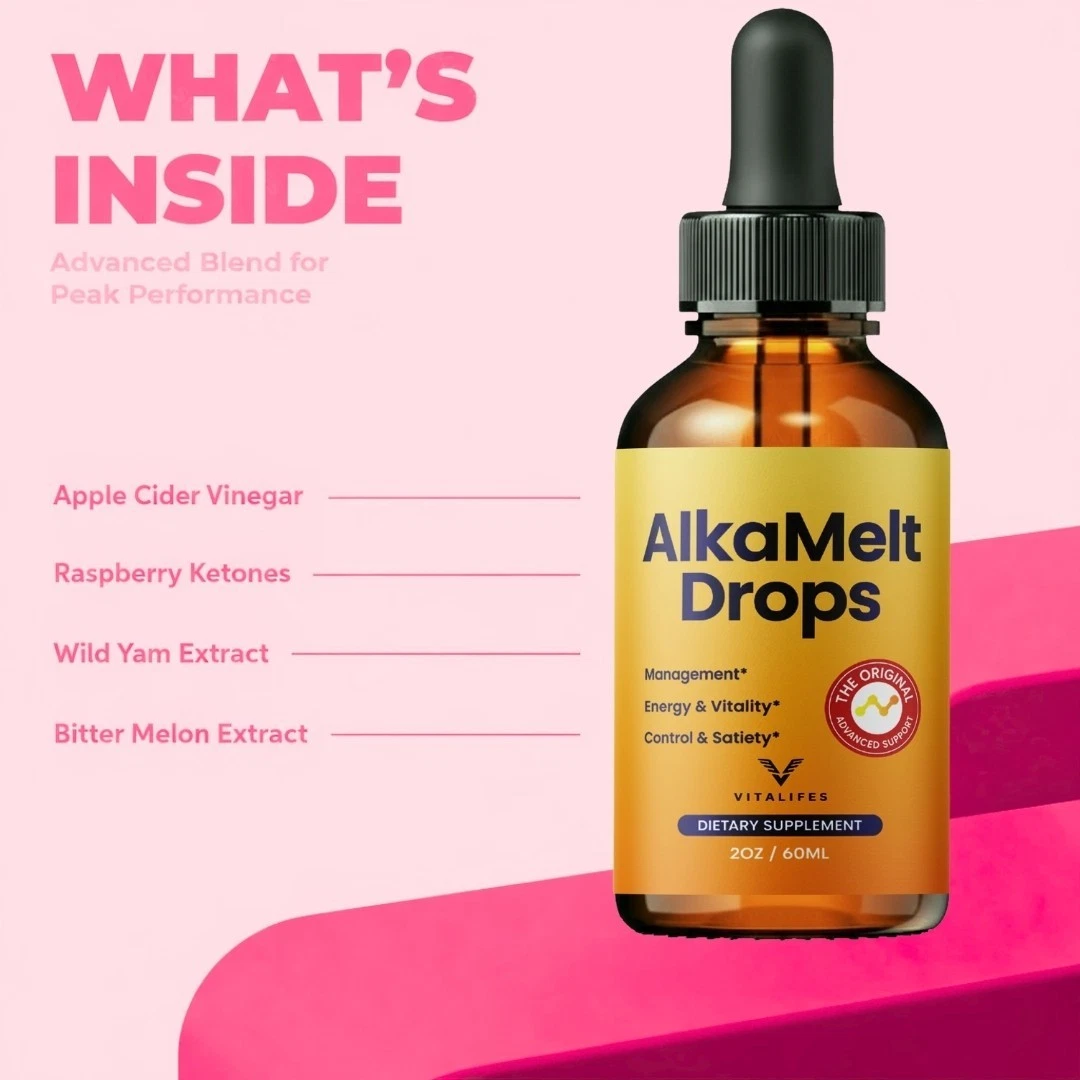
The seller ships a square panel headed “Advanced Blend for Peak Performance” and it names apple cider vinegar, raspberry ketones, wild yam extract and bitter melon extract. Those four share nothing with the retail sheet’s seven. Not one name appears on both.
The artwork is in this website’s own asset folder, which is exactly why it is reproduced rather than left out. A buyer who opens the listing sees it, and a page that shows only the list it prefers is a page choosing for the reader.
- Apple cider vinegar. A 2025 meta-analysis looked at body composition in people with type 2 diabetes or overweight. Johnston’s dosing work and an earlier mealtime study used about 30 mL a day.
- Raspberry ketone. The claim rests on a 2005 rodent study and two rounds of 3T3-L1 adipocyte work. The single human study tested a multi-ingredient product alongside diet and exercise.
- Wild yam. A crossover trial in menopausal women found no change against placebo; a 12-month Dioscorea alata trial used 24 mg a day, and a review of herbal menopause preparations sets the context.
- Bitter melon. The Cochrane review and a later meta-analysis cover glycaemia; the insulin-secretion trial ran 2,000 mg a day, and a 2024 pooling adds the lipid outcomes.
Which Alka Melt Drops ingredient list should a buyer work from?
Two lists, one dropper, and the one document that would settle it.
Both lists reach the bottle. The retail sheet travels with the wholesale order; the artwork is what the marketplace listing shows. They cannot both describe the liquid in the dropper, and no document this desk can read settles which one does.
There is a tell worth knowing. The seven on the retail sheet are a coherent formulation: four venoactive botanicals, one cardiovascular berry and two historical names, which is what a circulatory tincture looks like. The four on the artwork are a coherent formulation too, and it is the standard apple-cider-vinegar weight blend. Those are two different products wearing one label.
The practical answer is short. Read the bottle that arrives. If it carries a panel, that panel governs everything on this website and the rest of this page becomes history. If it carries the same front wrap as the artwork here, then the question is still open and worth asking the desk on +1 (302) 200-3480 before a second order.
A photograph of a Supplement Facts panel on a bottle from lot ALK-26/TH-2256, or a certificate of analysis matching reference ALK-2256-26-TH with an ingredient table on it. Either one arrives at [email protected] and this page changes the same week.
The Alka Melt Drops amounts, beside the amounts the trials used
Eleven candidate ingredients, the dose each was studied at, and the label column beside it.
Read the middle column down and it says the same two words eleven times. That is the shape of this product, and it is the reason every milligram figure on this website belongs to a trial rather than to a dropper.
Three rows have nothing in the right-hand column either. Stone root, motherwort and raspberry ketone have no human trial of the ingredient on its own at any dose, so there is no figure to compare against even in principle.
The comparison is still worth printing. When a bottle arrives with a panel, this table is the arithmetic already done: horse chestnut at 600 mg with 100 mg of aescin, hawthorn at 1,800 mg before the WS 1442 trial separated from placebo, apple cider vinegar at 30 mL a day. A 60 mL bottle taken over a month cannot carry the vinegar figure, and that is checkable before a panel exists.
What no Alka Melt Drops list names
What the four lists rule out, and the one question to ask before ordering.
Seventeen distinct ingredients appear across the four published lists. Several things a buyer might reasonably expect are on none of them, and naming the boundary is cheaper than letting a reader assume it.
No stimulant appears anywhere. No caffeine, no synephrine, no yohimbine, on any of the four. No prescription compound appears either, and nothing on any list resembles a glucagon-like peptide agonist or any other weight-loss drug, whatever the marketplace category suggests.
The liquid base is undeclared as well. A tincture in a 60 mL dropper bottle is normally carried in glycerine, in ethanol, or in a water and glycerine mix, and the front wrap names none of them. Anyone avoiding alcohol for religious, medical or recovery reasons should ask the desk before ordering rather than assume.
- Caffeine, synephrine, yohimbine or any other stimulant
- Any prescription weight-loss compound, in any form
- A declared carrier: glycerine, ethanol or water
- Any allergen statement, and any “other ingredients” line
- A standardisation marker for any of the seven botanicals
Alka Melt Drops ingredient questions
How many ingredients are in Alka Melt Drops?
The retail sheet names seven botanical extracts and the seller’s artwork names four different ones. Across all four published lists there are seventeen distinct ingredients. This website works from the retail sheet and prints the others beside it with the source attached.
Does the Alka Melt Drops bottle have a Supplement Facts panel?
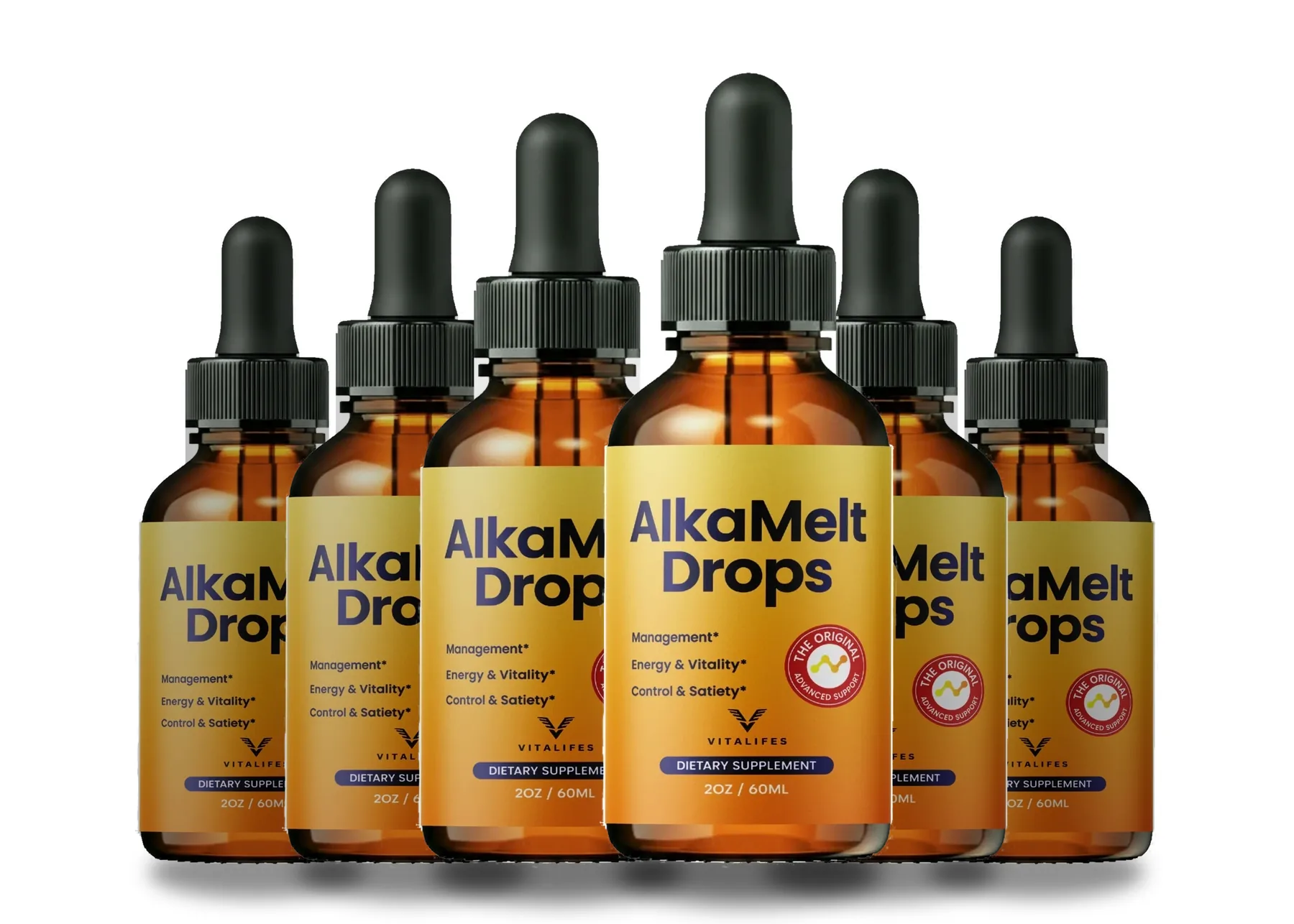
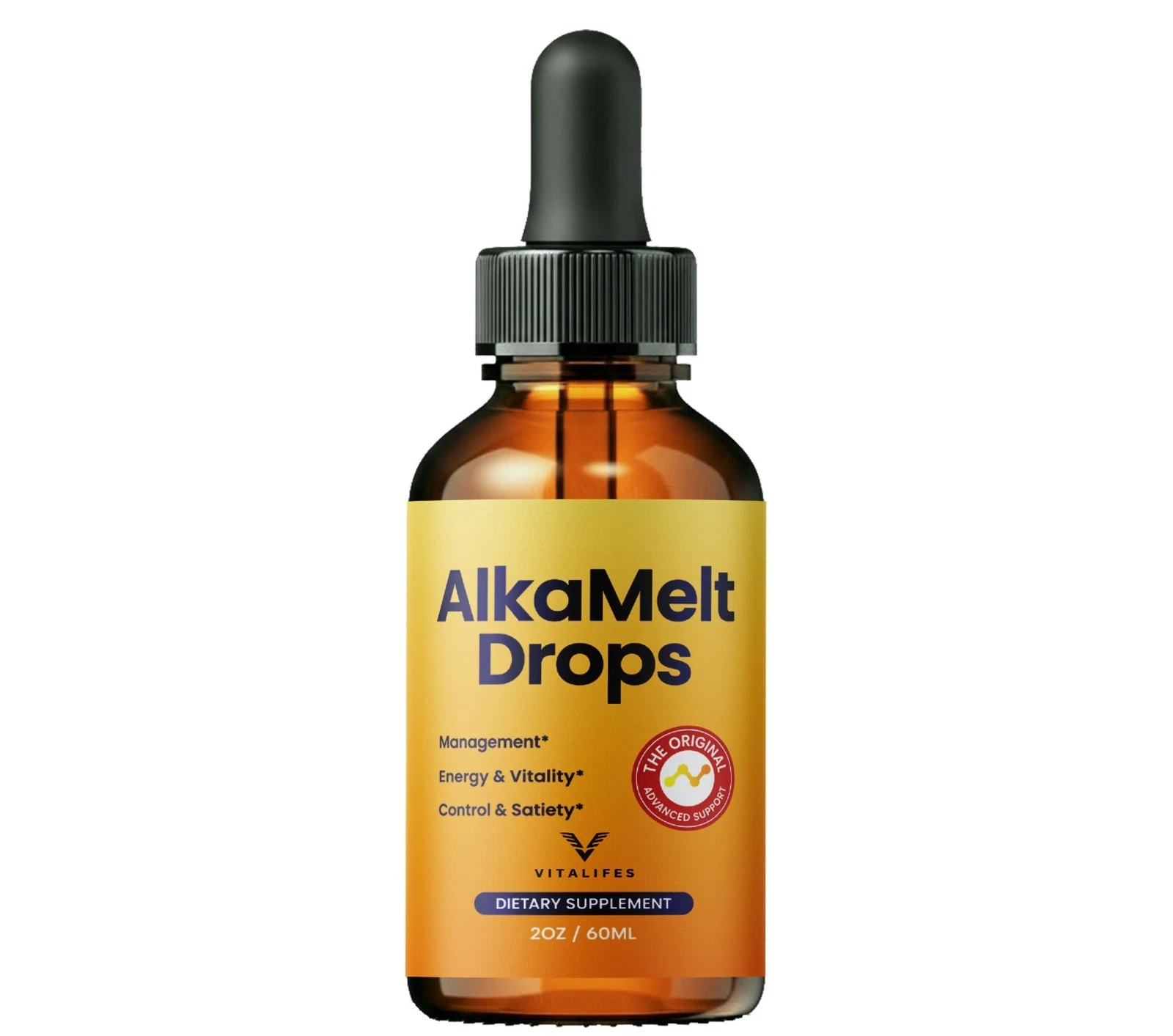
No panel appears on any label surface photographed in the seller’s asset pack. The front wrap carries the product name, three support lines, the VITALIFES mark, the words dietary supplement and the net contents of 2 fl oz / 60 mL. Check the bottle that arrives, because artwork and stock change.
Is apple cider vinegar in it?
Three of the four published lists name it and the retail sheet does not. It is the single most contested name on this product. The label analysis above sets out which document carries which list and what would settle it.
Are the botanicals standardised?
No standardisation marker is printed for any of the seven. That matters most for horse chestnut, where the trials specified 100 mg of aescin inside a 600 mg extract, and for hawthorn, where the dose-ranging work used the WS 1442 preparation specifically.
Is Alka Melt Drops vegan?
Nothing on any published list is animal-derived, and the carrier is not declared. Without an other-ingredients line there is no statement to rely on, so anyone with a strict dietary requirement should ask the desk on +1 (302) 200-3480 before ordering.
Sources for the Alka Melt Drops ingredient list
Every study named above, grouped by the ingredient it belongs to.
- Martinez-Zapata MJ, Vernooij RW, Simancas-Racines D, et al. Phlebotonics for venous insufficiency. Cochrane Database Syst Rev. 2020;11(11):CD003229. PMID 33141449. https://pubmed.ncbi.nlm.nih.gov/33141449/
- Cesarone MR, Laurora G, De Sanctis MT, et al. [The microcirculatory activity of Centella asiatica in venous insufficiency. A double-blind study]. Minerva Cardioangiol. 1994;42(6):299-304. PMID 7936334. https://pubmed.ncbi.nlm.nih.gov/7936334/
- Puttarak P, Dilokthornsakul P, Saokaew S, et al. Effects of Centella asiatica (L.) Urb. on cognitive function and mood related outcomes: A Systematic Review and Meta-analysis. Sci Rep. 2017;7(1):10646. PMID 28878245. https://pubmed.ncbi.nlm.nih.gov/28878245/
- Pittler MH, Guo R, Ernst E. Hawthorn extract for treating chronic heart failure. Cochrane Database Syst Rev. 2008;2008(1):CD005312. PMID 18254076. https://pubmed.ncbi.nlm.nih.gov/18254076/
- Tauchert M. Efficacy and safety of crataegus extract WS 1442 in comparison with placebo in patients with chronic stable New York Heart Association class-III heart failure. Am Heart J. 2002;143(5):910-5. PMID 12040357. https://pubmed.ncbi.nlm.nih.gov/12040357/
- Tankanow R, Tamer HR, Streetman DS, et al. Interaction study between digoxin and a preparation of hawthorn (Crataegus oxyacantha). J Clin Pharmacol. 2003;43(6):637-42. PMID 12817526. https://pubmed.ncbi.nlm.nih.gov/12817526/
- Dasgupta A, Kidd L, Poindexter BJ, Bick RJ. Interference of hawthorn on serum digoxin measurements by immunoassays and pharmacodynamic interaction with digoxin. Arch Pathol Lab Med. 2010;134(8):1188-92. PMID 20670141. https://pubmed.ncbi.nlm.nih.gov/20670141/
- Pittler MH, Ernst E. Horse chestnut seed extract for chronic venous insufficiency. Cochrane Database Syst Rev. 2012;11(11):CD003230. PMID 23152216. https://pubmed.ncbi.nlm.nih.gov/23152216/
- Bisler H, Pfeifer R, Kluken N, Pauschinger P. [Effects of horse-chestnut seed extract on transcapillary filtration in chronic venous insufficiency]. Dtsch Med Wochenschr. 1986;111(35):1321-9. PMID 3527643. https://pubmed.ncbi.nlm.nih.gov/3527643/
- Diehm C, Vollbrecht D, Amendt K, Comberg HU. Medical edema protection--clinical benefit in patients with chronic deep vein incompetence. A placebo controlled double blind study. Vasa. 1992;21(2):188-92. PMID 1621440. https://pubmed.ncbi.nlm.nih.gov/1621440/
- Shoemaker JV. Collinsonia Canadensis. Br Med J. 1887;2(1396):712-3. PMID 20752052. https://pubmed.ncbi.nlm.nih.gov/20752052/
- Collinsonia Canadensis. South Med Rec. 1888;18(4):136. PMID 36022907. https://pubmed.ncbi.nlm.nih.gov/36022907/
- Stevens JF, Hart H, Elema ET, Bolck A. A novel 2-hydroxyflavanone from Collinsonia canadensis. J Nat Prod. 1999;62(2):392-4. PMID 10075799. https://pubmed.ncbi.nlm.nih.gov/10075799/
- Mazzio E, Badisa R, Mack N, et al. High throughput screening of natural products for anti-mitotic effects in MDA-MB-231 human breast carcinoma cells. Phytother Res. 2014;28(6):856-67. PMID 24105850. https://pubmed.ncbi.nlm.nih.gov/24105850/
- Witkowska A, Zaklos-Szyda M, Kolodziejczyk-Czepas J, et al. Characterizations of White Mulberry, Sea-Buckthorn, Garlic, Lily of the Valley, Motherwort, and Hawthorn as Potential Candidates for Managing Cardiovascular Disease-In Vitro and Ex Vivo Animal Studies. Nutrients. 2024;16(9):1313. PMID 38732560. https://pubmed.ncbi.nlm.nih.gov/38732560/
- Morariu-Briciu DM, Danciu C, Dehelean CA, et al. Medicinal Plants and Phytochemicals in Cardioprotection-Mechanistic Pathways and Translational Roadmap. Life (Basel). 2026;16(1):24. PMID 41598329. https://pubmed.ncbi.nlm.nih.gov/41598329/
- Vanscheidt W, Jost V, Wolna P, et al. Efficacy and safety of a Butcher's broom preparation (Ruscus aculeatus L. extract) compared to placebo in patients suffering from chronic venous insufficiency. Arzneimittelforschung. 2002;52(4):243-50. PMID 12040966. https://pubmed.ncbi.nlm.nih.gov/12040966/
- Boyle P, Diehm C, Robertson C. Meta-analysis of clinical trials of Cyclo 3 Fort in the treatment of chronic venous insufficiency. Int Angiol. 2003;22(3):250-62. PMID 14612852. https://pubmed.ncbi.nlm.nih.gov/14612852/
- Kakkos SK, Allaert FA. New data on chronic venous disease: a new place for Cyclo 3 Fort. Int Angiol. 2018;37(1):85-92. PMID 29063748. https://pubmed.ncbi.nlm.nih.gov/29063748/
- Foshati S, Nouripour F, Sadeghi E, et al. The effect of grape (Vitis vinifera) seed extract supplementation on flow-mediated dilation, blood pressure, and heart rate: A systematic review and meta-analysis of controlled trials with duration- and dose-response analysis. Pharmacol Res. 2022;175:105905. PMID 34798267. https://pubmed.ncbi.nlm.nih.gov/34798267/
- Zhang H, Liu S, Li L, et al. The impact of grape seed extract treatment on blood pressure changes: A meta-analysis of 16 randomized controlled trials. Medicine (Baltimore). 2016;95(33):e4247. PMID 27537554. https://pubmed.ncbi.nlm.nih.gov/27537554/
- Feringa HH, Laskey DA, Dickson JE, Coleman CI. The effect of grape seed extract on cardiovascular risk markers: a meta-analysis of randomized controlled trials. J Am Diet Assoc. 2011;111(8):1173-81. PMID 21802563. https://pubmed.ncbi.nlm.nih.gov/21802563/
- Cheon H, Kim HK, Moon SJ, et al. Grape seed proanthocyanidins improve lymphatic drainage and blood perfusion in secondary lymphedema models. Front Oncol. 2025;15:1553090. PMID 40548114. https://pubmed.ncbi.nlm.nih.gov/40548114/
- Castagna A, Fabbo A, Manzo C, et al. Effect of Apple Cider Vinegar Intake on Body Composition in Humans with Type 2 Diabetes and/or Overweight: A Systematic Review and Meta-Analysis of Randomized Controlled Trials. Nutrients. 2025;17(18):3000. PMID 41010525. https://pubmed.ncbi.nlm.nih.gov/41010525/
- Johnston CS, Steplewska I, Long CA, et al. Examination of the antiglycemic properties of vinegar in healthy adults. Ann Nutr Metab. 2010;56(1):74-9. PMID 20068289. https://pubmed.ncbi.nlm.nih.gov/20068289/
- Johnston CS, Buller AJ. Vinegar and peanut products as complementary foods to reduce postprandial glycemia. J Am Diet Assoc. 2005;105(12):1939-42. PMID 16321601. https://pubmed.ncbi.nlm.nih.gov/16321601/
- Morimoto C, Satoh Y, Hara M, et al. Anti-obese action of raspberry ketone. Life Sci. 2005;77(2):194-204. PMID 15862604. https://pubmed.ncbi.nlm.nih.gov/15862604/
- Park KS. Raspberry ketone increases both lipolysis and fatty acid oxidation in 3T3-L1 adipocytes. Planta Med. 2010;76(15):1654-8. PMID 20425690. https://pubmed.ncbi.nlm.nih.gov/20425690/
- Arent SM, Walker AJ, Pellegrino JK, et al. The Combined Effects of Exercise, Diet, and a Multi-Ingredient Dietary Supplement on Body Composition and Adipokine Changes in Overweight Adults. J Am Coll Nutr. 2018;37(2):111-120. PMID 29111889. https://pubmed.ncbi.nlm.nih.gov/29111889/
- Komesaroff PA, Black CV, Cable V, Sudhir K. Effects of wild yam extract on menopausal symptoms, lipids and sex hormones in healthy menopausal women. Climacteric. 2001;4(2):144-50. PMID 11428178. https://pubmed.ncbi.nlm.nih.gov/11428178/
- Hsu CC, Kuo HC, Chang SY, et al. The assessment of efficacy of Diascorea alata for menopausal symptom treatment in Taiwanese women. Climacteric. 2011;14(1):132-9. PMID 20653397. https://pubmed.ncbi.nlm.nih.gov/20653397/
- Depypere HT, Comhaire FH. Herbal preparations for the menopause: beyond isoflavones and black cohosh. Maturitas. 2014;77(2):191-4. PMID 24314619. https://pubmed.ncbi.nlm.nih.gov/24314619/
- Ooi CP, Yassin Z, Hamid TA. Momordica charantia for type 2 diabetes mellitus. Cochrane Database Syst Rev. 2012;2012(8):CD007845. PMID 22895968. https://pubmed.ncbi.nlm.nih.gov/22895968/
- Cortez-Navarrete M, Martinez-Abundis E, Perez-Rubio KG, et al. Momordica charantia Administration Improves Insulin Secretion in Type 2 Diabetes Mellitus. J Med Food. 2018;21(7):672-677. PMID 29431598. https://pubmed.ncbi.nlm.nih.gov/29431598/
- Peter EL, Kasali FM, Deyno S, et al. Momordica charantia L. lowers elevated glycaemia in type 2 diabetes mellitus patients: Systematic review and meta-analysis. J Ethnopharmacol. 2019;231:311-324. PMID 30385422. https://pubmed.ncbi.nlm.nih.gov/30385422/
- Zhang X, Zhang Y, Gao W, et al. Effects of Momordica charantia L. supplementation on glycemic control and lipid profile in type 2 diabetes mellitus patients: A systematic review and meta-analysis of randomized controlled trials. Heliyon. 2024;10(10):e31126. PMID 38784554. https://pubmed.ncbi.nlm.nih.gov/38784554/
Order Alka Melt Drops with both lists in front of you
Seven botanicals on one document, four on another, and the trial dose beside each of them. The bottle that arrives is the one that settles it.
Price at checkout · one-time payment · money-back guarantee as printed on the listing
Order Alka Melt Drops On The Official Website2 fl oz / 60 mL amber glass dropper bottle · lot ALK-26/TH-2256