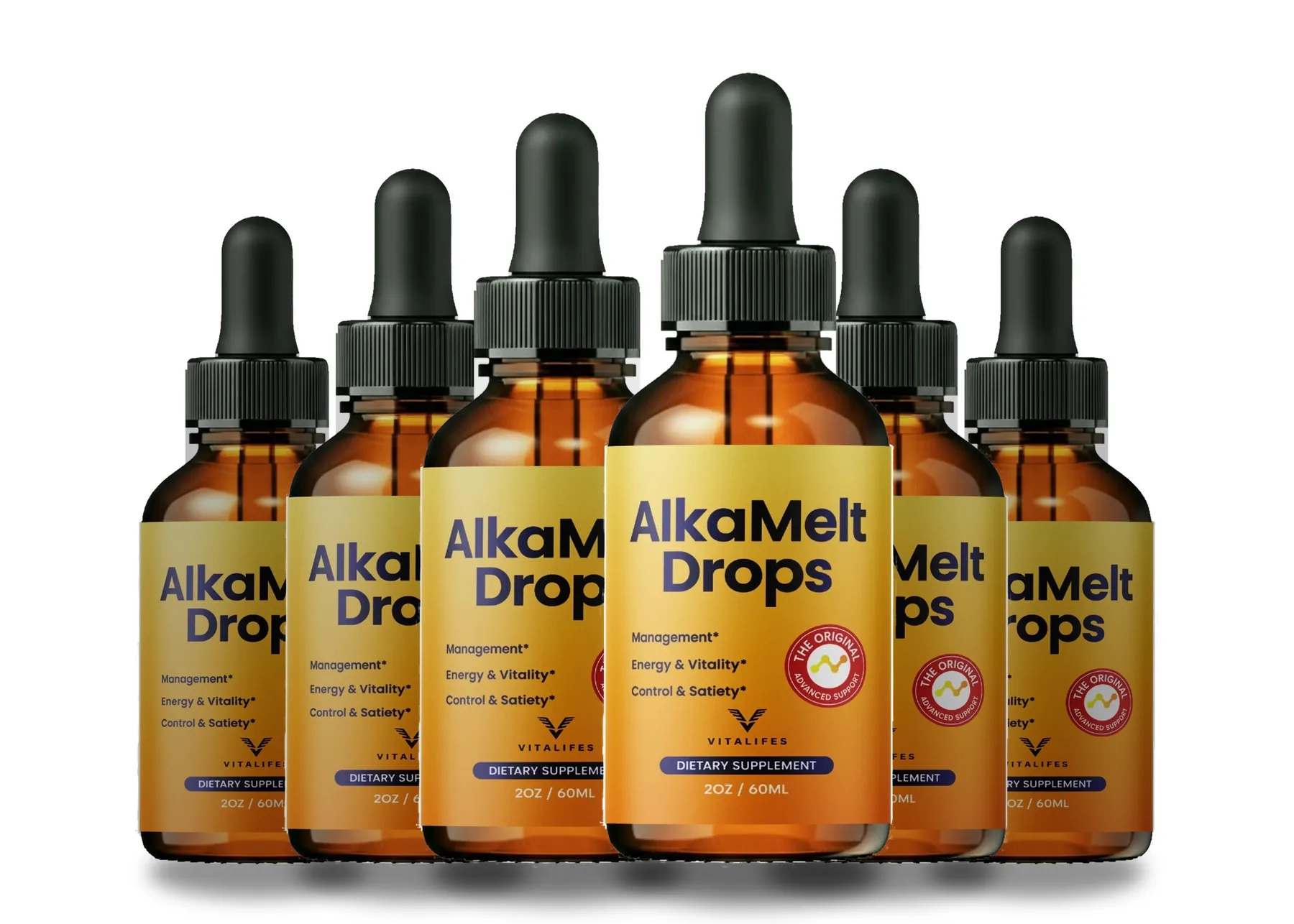
Alka Melt Drops Official Website › Blog › Four Lists That Disagree
Why Four Ingredient Lists Disagree, And Which One To Use
Four parties publish an ingredient list for this product and no two of them agree. Between them they name seventeen distinct ingredients. Working out which list to trust is an ordinary research problem with an ordinary answer, and the method transfers to any product in this category.
- Four lists exist: the retail pack sheet, the seller’s own artwork, and two third-party retail sites.
- Seventeen distinct ingredients are named between them.
- The pack sheet’s seven appear on none of the other three lists.
- Apple cider vinegar is the only name that appears on three of the four.
- This desk works from the pack sheet, because it is the distributor’s own document and the one the seller’s listing photography illustrates.
The four lists, side by side
Start by setting them out without comment. Two of these come from parties with a direct relationship to the product and two do not, and that distinction turns out to decide almost everything.
| Who published it | How many | The names |
|---|---|---|
| The retail pack sheet | 7 | Gotu Kola, Chinese Hawthorn, Horse Chestnut, Stone Root, Motherwort, Butcher’s Broom, Grape Seed |
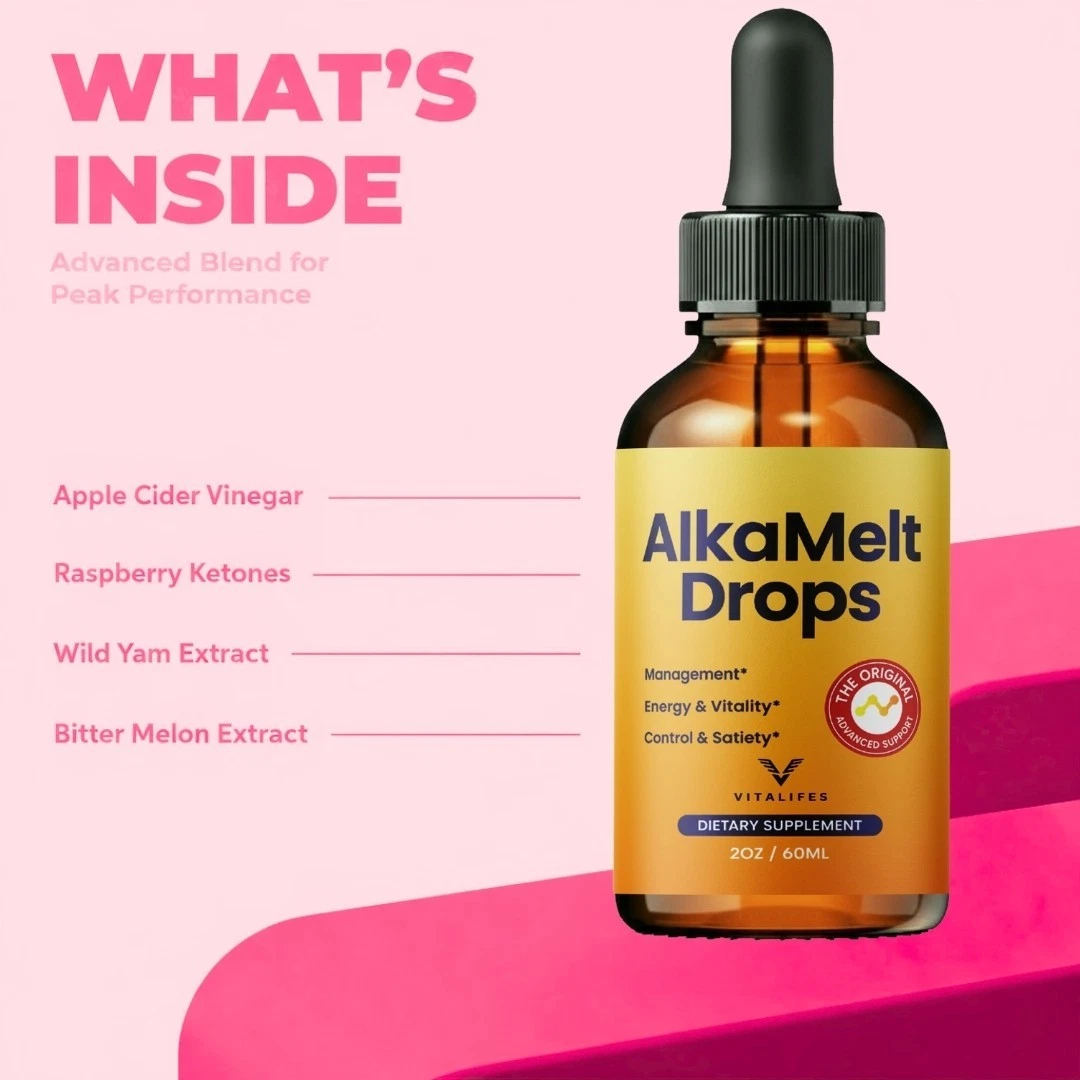
| The seller’s What’s Inside artwork | 4 | Apple Cider Vinegar, Raspberry Ketones, Wild Yam Extract, Bitter Melon Extract |
| A second retail site, alkamelts.com | 6 | Green Tea, Apple Cider Vinegar, Cayenne, Ginger Root, Vitamin B12, Pomegranate Juice Concentrate |
| A third retail site, alkamelt.net | 4 | Apple Cider Vinegar, Green Tea, Berberine, Cayenne |
Four lists, 17 distinct ingredients between them, and one name that appears on three.
The first thing a reader notices is the shape. Seven names, then four, then six, then four. The second is that the first two rows have nothing in common, and those are the two rows published by parties close to the product.
Where they overlap, and where they do not
Overlap is the useful measurement here, because a name appearing on several independent lists has some corroboration behind it while a name appearing once has none.
| Pair of lists | Names in common | What that tells you |
|---|---|---|
| Pack sheet and the seller’s own artwork | None at all | The distributor’s document and the seller’s panel describe different products |
| Pack sheet and either third-party site | None at all | The seven venous botanicals appear on no other published list |
| The seller’s artwork and alkamelts.com | Apple cider vinegar | One name, and it is the most widely used ingredient in the category |
| alkamelts.com and alkamelt.net | Three of four and six | The two third-party sites are the only pair that substantially agree |
The only real overlap is between the two parties with no connection to the manufacturer.
The last row is the interesting one and it is easy to misread. Two third-party retail sites agreeing with each other is not corroboration; it is much more likely to be one of them having copied the other, or both having copied a third source neither names. Agreement between parties who could plausibly have copied is worth very little.
The second row is the one that should give a reader pause. The distributor’s own retail sheet names seven botanicals that appear on no other published list for this product. Either the sheet describes a formulation the other three parties never saw, or the other three are describing something else that shares a name.
Ranking the four by provenance
Provenance is the standard way out of a conflict like this, and it is the one a librarian would use. How close is each publisher to the thing being described, and what would it take for each to be wrong?
- The retail pack sheet. The distributor’s own document, describing a product it sells. It would have to be wrong about its own stock to be wrong here.
- The seller’s own artwork. Also close to the product, and it ships inside this website’s asset pack. But it is marketing material rather than a specification, and marketing panels in this category are frequently reused across formulations.
- alkamelts.com. A third-party retail site whose own footer states it is not affiliated with or operated by the manufacturer. Recorded, not relied on.
- alkamelt.net. A fourth list overlapping the third on three names and the pack sheet on none. The furthest from the product of the four.
On that ranking the pack sheet wins, and this website treats its seven as the named list. That is a judgement rather than a fact, it is stated as one, and the other three lists are printed beside it on the ingredients page rather than quietly dropped.
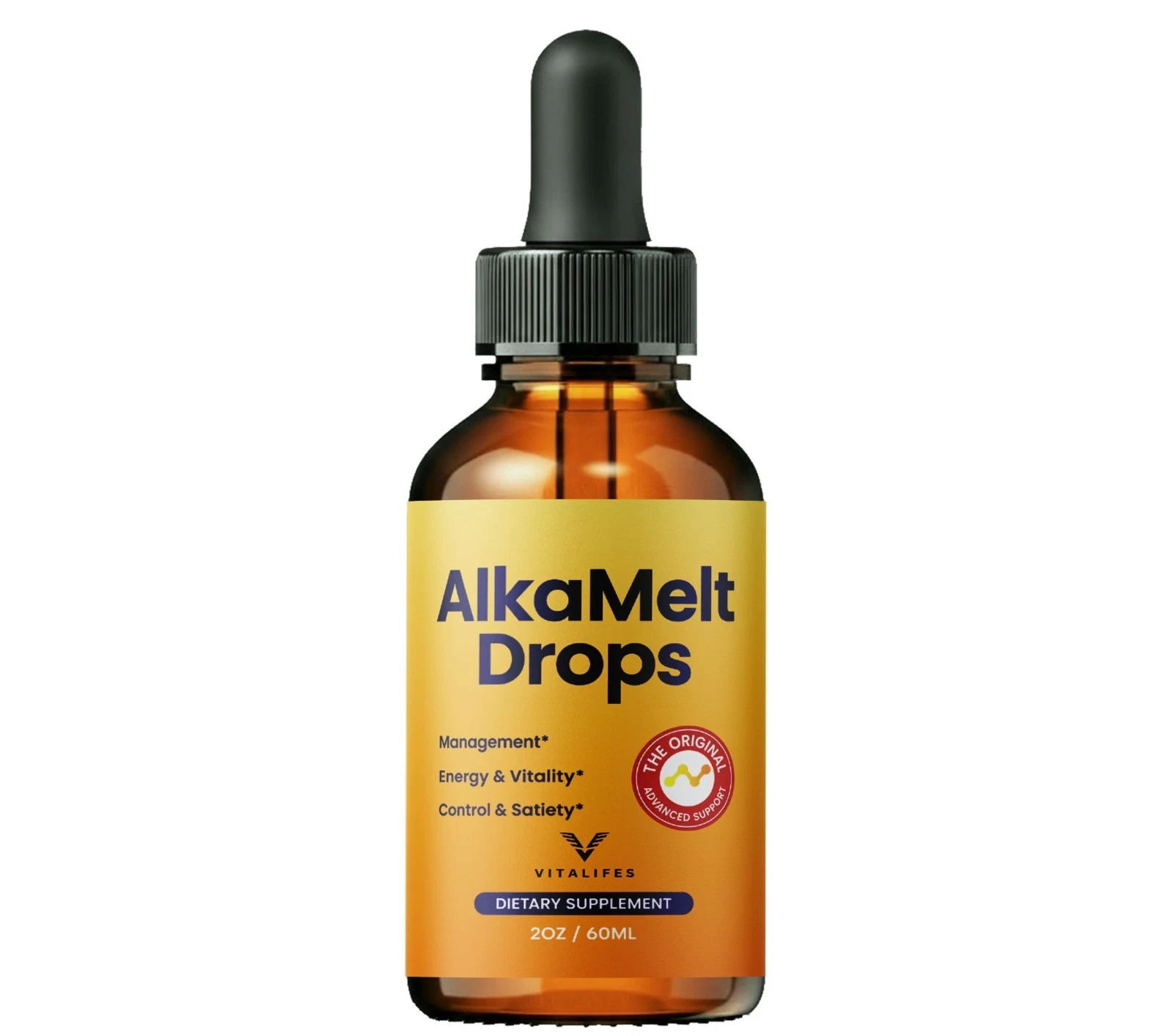
All four Alka Melt Drops lists are printed on this website
Nothing is dropped and nothing is merged. Each list carries the name of whoever published it, and the pack sheet’s seven carry the dose their research used. A 2 fl oz / 60 mL amber glass dropper bottle, price at the seller’s checkout.
Price at checkout · one-time payment · money-back guarantee as printed on the listing
Order Alka Melt Drops On The Official Website2 fl oz / 60 mL amber glass dropper bottle · lot ALK-26/TH-2256
Why this happens so often
It is tempting to read four conflicting lists as evidence of bad faith. The likelier explanations are duller and they are worth knowing, because they change what a reader should conclude.
Marketing panels get reused. A seller with several products in a category will often carry one “What’s Inside” graphic across them, updating the names last or not at all. That produces exactly the pattern here: a panel naming four popular category ingredients that has nothing to do with the sheet.
Third-party stockists write from search results. A retail site listing dozens of supplements does not have the pack sheet. It has the product name, a category and whatever the first page of results said, and it writes a plausible list from that.
And formulations change without the marketing catching up. A reformulation updates the bottle and the sheet, while artwork, stockists and cached pages carry the old list for months afterwards. An analysis of labels in this category documents how far printed content and actual content can drift apart even when only one list exists.
The one name three of them agree on
Apple cider vinegar appears on three of the four lists, which makes it the only ingredient here with anything resembling corroboration. It is also, conveniently, the name in this category with the most human research behind it.
A 2025 meta-analysis pooled the controlled trials and reported effects on body composition and several blood measures. The dose across that literature is around 30 mL a day, taken over periods up to twelve weeks.
Thirty millilitres a day is half of this entire bottle. A 2 fl oz / 60 mL dropper bottle could not deliver the trial amount of apple cider vinegar for two days, let alone twelve weeks, which tells a reader something useful without needing any figure from the label at all. Whatever role vinegar plays in a dropper product, it is not the role the trials tested.
The same test on two other names
It works elsewhere. The Cochrane bitter melon review assessed glycaemic control at doses in the low thousands of milligrams, and the one human study involving raspberry ketone tested a multi-ingredient product alongside exercise, so nothing in it can be attributed to the ketone at all. Checking the trial dose against the bottle volume is the fastest sanity check available on any liquid supplement.
The method, applied to any product
Nothing above is specific to this bottle. The procedure is short enough to remember.
- Collect every list you can find, and record who published each one rather than merging them into a single set of names.
- Rank the publishers by distance from the product. Manufacturer, distributor, seller, stockist, blog.
- Measure the overlap. Names appearing on independent lists have some corroboration. Names appearing once have none.
- Discount agreement between parties who could have copied. Two stockists agreeing is one source, not two.
- Check the leading names against a trial dose and the bottle size. Physical impossibility settles more arguments than provenance does.
- Publish all of it. A reader who can see the conflict can weigh it; a reader shown one merged list cannot.
The Dietary Supplement Ingredient Database work exists because even a single, uncontested list is only a starting point: printed amounts and measured amounts are different numbers. Four lists is that problem multiplied, and the only honest response is to show the reader the multiplication.
What this website does with all four
The pack sheet’s seven are treated as the named list and carry the research column. The seller’s four are printed beside them with their source named. The two third-party lists are recorded as two of the four rather than as sources of fact, and neither is used to support any claim anywhere on this website.
No list is merged into another, no name is dropped for being inconvenient, and no attempt is made to reconcile them into a single answer, because reconciling them would require information nobody has published. The ingredients page shows the four as four.
A reader who finishes that page knowing the formula is unsettled has understood the product correctly. That is an uncomfortable thing for a website selling it to aim at, and it is still the only defensible thing to aim at.
References
- Castagna A, Fabbo A, Manzo C, et al. Effect of Apple Cider Vinegar Intake on Body Composition in Humans with Type 2 Diabetes and/or Overweight: A Systematic Review and Meta-Analysis of Randomized Controlled Trials. Nutrients. 2025;17(18):3000. PMID 41010525. https://pubmed.ncbi.nlm.nih.gov/41010525/
- Crawford C, Avula B, Lindsey AT, et al. Label Accuracy and Quality of Select Weight-Loss Dietary Supplements Sold on or near US Military Bases. Nutrients. 2024;16(24):4326. PMID 39770990. https://pubmed.ncbi.nlm.nih.gov/39770990/
- Andrews KW, Gusev PA, Dwyer JT, et al. Dietary Supplement Ingredient Database (DSID) and the Application of Analytically Based Estimates of Ingredient Amount to Intake Calculations. J Nutr. 2018;148(suppl_2):1413S-1421S. PMID 31505677. https://pubmed.ncbi.nlm.nih.gov/31505677/
- Arent SM, Walker AJ, Pellegrino JK, et al. The Combined Effects of Exercise, Diet, and a Multi-Ingredient Dietary Supplement on Body Composition and Adipokine Changes in Overweight Adults. J Am Coll Nutr. 2018;37(2):111-120. PMID 29111889. https://pubmed.ncbi.nlm.nih.gov/29111889/
- Ooi CP, Yassin Z, Hamid TA. Momordica charantia for type 2 diabetes mellitus. Cochrane Database Syst Rev. 2012;2012(8):CD007845. PMID 22895968. https://pubmed.ncbi.nlm.nih.gov/22895968/