Alka Melt Drops Official Website › Blog › Who Should Not Take Alka Melt Drops
Who Should Not Take Alka Melt Drops? Nine Groups and Why
Quick answer. Who should not take Alka Melt Drops? The site names nine groups: anyone under 18, anyone pregnant or nursing, people on digoxin or an anticoagulant, people booked for surgery, people with liver disease, people with a latex or aescin sensitivity, people avoiding alcohol, and anyone expecting a weight-loss drug. Ask a doctor first.
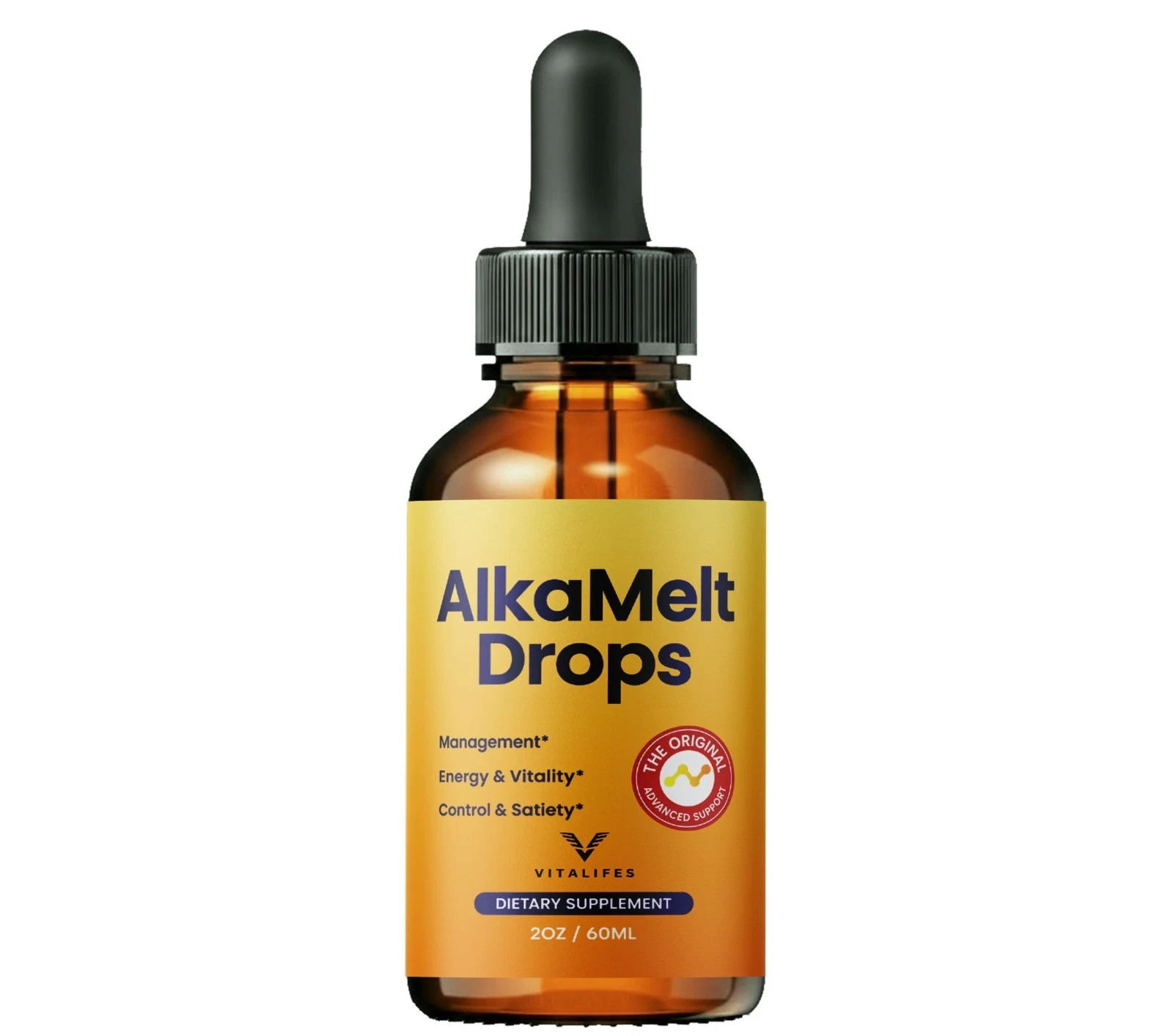
Want to look at the packs and the guarantee only after you have checked the list? The checkout shows both.
See today’s price and guarantee
This site prints no price, so you see the figure at checkout. Disclosure: the site sells the product and earns when an order goes through its checkout.
- The wrap sets the product at adults. Nothing here has been studied in children.
- Motherwort has a traditional use as a uterine stimulant. None of the seven botanicals has safety data in pregnancy.
- Hawthorn interacts with digoxin and can disturb the blood test that measures it.
- Horse chestnut, butcher’s broom and grape seed carry bleeding cautions based on mechanism, not on recorded bleeds in trials.
- No amount is declared for any ingredient, so none of these cautions can be scaled to a serving.
Who should not take Alka Melt Drops?
If you ask who should not take Alka Melt Drops, the website’s who-it-is-for page gives nine groups. Each has a stated reason, and none is a blanket caution. Some come from the wrap, which points at the standard FDA statement and sets the product at adults. The rest follow from the botanicals named on the retail pack sheet.
The site adds a point worth holding onto. Every row is drawn from the published record for the botanical named, not from the label, because the label carries no warnings section. So the list below is a map of known concerns, not a reading of the exact amount in your bottle. That amount is not published.
Why should anyone under 18, or pregnant or nursing, not take it?
The first reason is simple. The wrap addresses adults, and the whole evidence base was built in adults. Nothing on any of the published lists has been studied in children. The site sets the product at healthy adults aged 18 and over.
Pregnancy and breastfeeding are the second group. Motherwort has a traditional reputation as a uterine stimulant and no modern safety data to check it against. None of the seven botanicals has safety data in pregnancy. No amount is declared, which removes the only variable that could be assessed. That reason is enough on its own.
Who should not take Alka Melt Drops if they use digoxin or blood thinners?
Digoxin is the sharpest interaction on the sheet. Hawthorn can interact with it, and it can also disturb the immunoassay that measures digoxin in the blood. So a reading can mislead as well as a dose. Anyone on digoxin should tell the prescribing doctor first.
Anticoagulants and antiplatelets are the next group. Horse chestnut, butcher’s broom and grape seed each carry a bleeding caution. Three of them in one dropper, at amounts nobody has published, is not a combination to add to warfarin or clopidogrel unprompted. The basis of the caution is mechanism, not bleeds seen in trials. It stands because the cost of mentioning it to a prescriber is nothing.
Who should not take Alka Melt Drops because of surgery or liver disease?
Surgery is covered by the same bleeding cautions. The usual advice for botanical supplements is to stop two weeks before a procedure and to tell the surgical team. This product belongs in that answer.
Liver disease is a group because of gotu kola. Centella asiatica appears in case series of supplement-associated liver injury. Causality work in those cases shows how hard attribution is once several botanicals are involved, and chemical analyses found that products often did not match their labels. A bottle with no declaration cannot rule that out. The site is careful to say these cases are rare and usually involve products with several ingredients.
What about allergies, alcohol and weight-loss hopes?
Three more groups complete the nine. People with a latex or aescin sensitivity should be careful, because horse chestnut preparations are a known allergen for a small group and the label carries no allergen statement of any kind. People avoiding alcohol cannot confirm the carrier, since none is declared.
The last group is anyone expecting a weight-loss drug. Alka Melt Drops is sold on management, energy and vitality, and control and satiety, so some buyers arrive with that hope. Nothing on any list is a stimulant or a prescription compound, and the site points to a meta-analysis of supplements built on isolated compounds as a fair summary of what this category delivers. This is not a medical exclusion. It is a plain statement about expectations. Nobody should take a supplement hoping for the effect of a prescription medicine, because no supplement is approved by the FDA or evaluated to do that job.
What if you are not on the list but still unsure?
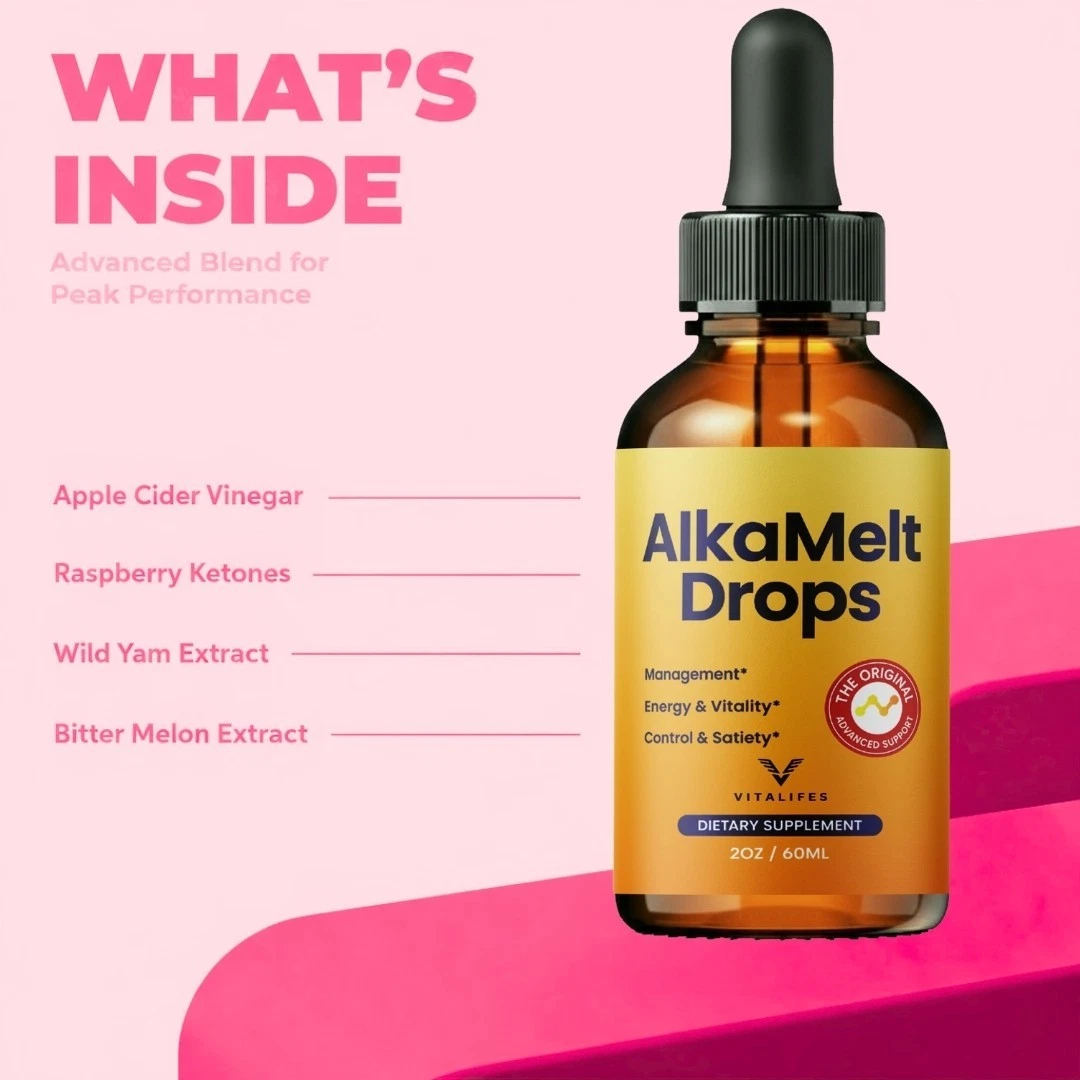
Ask. If you still wonder who should not take Alka Melt Drops in your own case, the site says several questions cannot be settled from the wrap and become answerable the moment a physical bottle is in hand: allergens, the carrier and the amount of each botanical. If you have a condition, take a medicine or have any doubt, bring the product details to your doctor. Name the product, say that it is a botanical liquid whose label declares no amounts, and read out the ingredient lists.
You can also start small. The site suggests one bottle first, the smallest amount the dropper can measure if no serving is printed, and the same amount every day. A constant amount is the only one you can judge, adjust or report.
Who should not take Alka Melt Drops, and why?
| Group | Reason published |
|---|---|
| Anyone under 18 | The wrap addresses adults. Nothing has been studied in children |
| Pregnant or breastfeeding | Motherwort has a traditional use as a uterine stimulant. No safety data for any of the seven |
| Anyone taking digoxin | Hawthorn interacts and can disturb the digoxin blood test |
| Anyone on an anticoagulant or antiplatelet | Horse chestnut, butcher’s broom and grape seed carry bleeding cautions |
| Anyone booked for surgery | Same bleeding cautions. Usual advice is to stop two weeks before |
| People with liver disease | Gotu kola appears in supplement liver-injury case series |
| Latex or aescin sensitivity | Horse chestnut is a known allergen for a small group. No allergen statement on the label |
| Anyone avoiding alcohol | The carrier is not declared |
| Anyone expecting a weight-loss drug | No stimulant or prescription compound is on any list |
Taken from the who-it-is-for page of this website. Rows describe the botanicals, not a measured amount in the bottle.
Where do these facts come from?
This page leans on the pages of this website and on public guides to how supplements are sold and overseen.
- The hawthorn and digoxin interaction study
- A study of hawthorn and digoxin blood tests
- The Cochrane review of horse chestnut seed extract
- The placebo-controlled butcher’s broom trial
- A meta-analysis of 16 grape seed blood-pressure trials
- A review of herbal and supplement liver injury in Latin America
- A review of chemical analysis in supplement liver injury cases
Frequently asked questions
Who should not take Alka Melt Drops?
Anyone under 18, anyone pregnant or nursing, people on digoxin or an anticoagulant, people booked for surgery, people with liver disease, people with a latex or aescin sensitivity, people avoiding alcohol and anyone expecting a weight-loss drug.
Can I take it if I am pregnant?
No. Motherwort has a traditional use as a uterine stimulant, and none of the seven botanicals has safety data in pregnancy.
Can I take it with blood thinners?
Raise it with your prescriber first. Three botanicals carry bleeding cautions based on mechanism, and the amounts are not published.
Should I stop before surgery?
The usual advice for botanical supplements is to stop two weeks before and tell the surgical team.
Is it safe for someone with liver disease?
The site lists existing liver disease as a reason to avoid it, because of gotu kola case reports and the impossibility of confirming what is in an undeclared liquid.
Does the label list warnings?
No. The label carries no warnings section, so every row here comes from the published record for each botanical.
Our view
The list of who should not take Alka Melt Drops is longer than most buyers expect, and that is a sign of an honest page, not a scary one. Each group has a reason.
The biggest reason behind most of them is the same: the label does not say how much of anything is in the bottle. That one gap turns every caution into a question for a doctor. It also explains why the site avoids simple yes and no answers for the middle groups, such as people on blood-pressure medicines. For those readers the site says hawthorn and grape seed both have blood-pressure literature, so there is a plausible interaction with a prescription, and the prescriber should know.
If you are in any of the nine groups, talk to your doctor before you order. If you are not, start small, write down your start date and read your return window early.
Alka Melt Drops is a dietary supplement. It is not FDA approved, and no supplement is. These statements have not been evaluated by the Food and Drug Administration. This product is not intended to diagnose, treat, cure or prevent any disease. This page is general information, not medical advice. If you take a medicine, are pregnant or nursing, or have a health condition, ask your doctor before you use it.
If none of the nine groups applies to you, you can still start with one bottle and keep your return window in view.
See today’s price and guarantee
This site prints no price, so you see the figure at checkout. Disclosure: the site sells the product and earns when an order goes through its checkout.
Last updated . Medically reviewed by Dr. Chioma Okafor-Mbah, MD, Physician, on the same date.