Alka Melt Drops Official Website › Blog › How Long Alka Melt Drops Takes
How Long Does Alka Melt Drops Take to Work? 4 Checkpoints
Quick answer. The seller says buyers most often wait 3–6 weeks before they notice anything. The research on the named botanicals ran for weeks, not days. Nothing here is fast. Use four checkpoints: week one, weeks two to three, weeks four to six and weeks eight to twelve. No before and after photos are published.
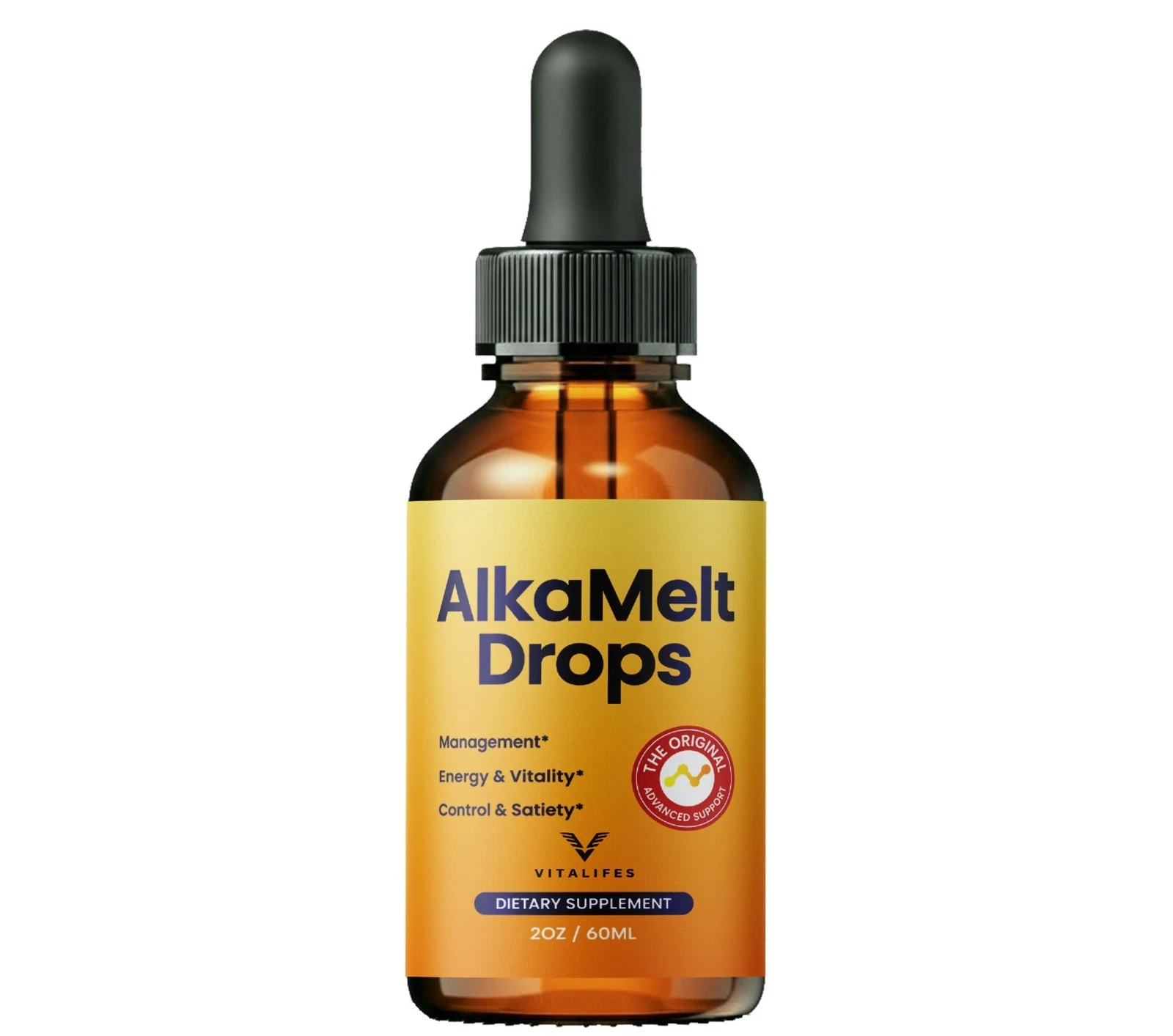
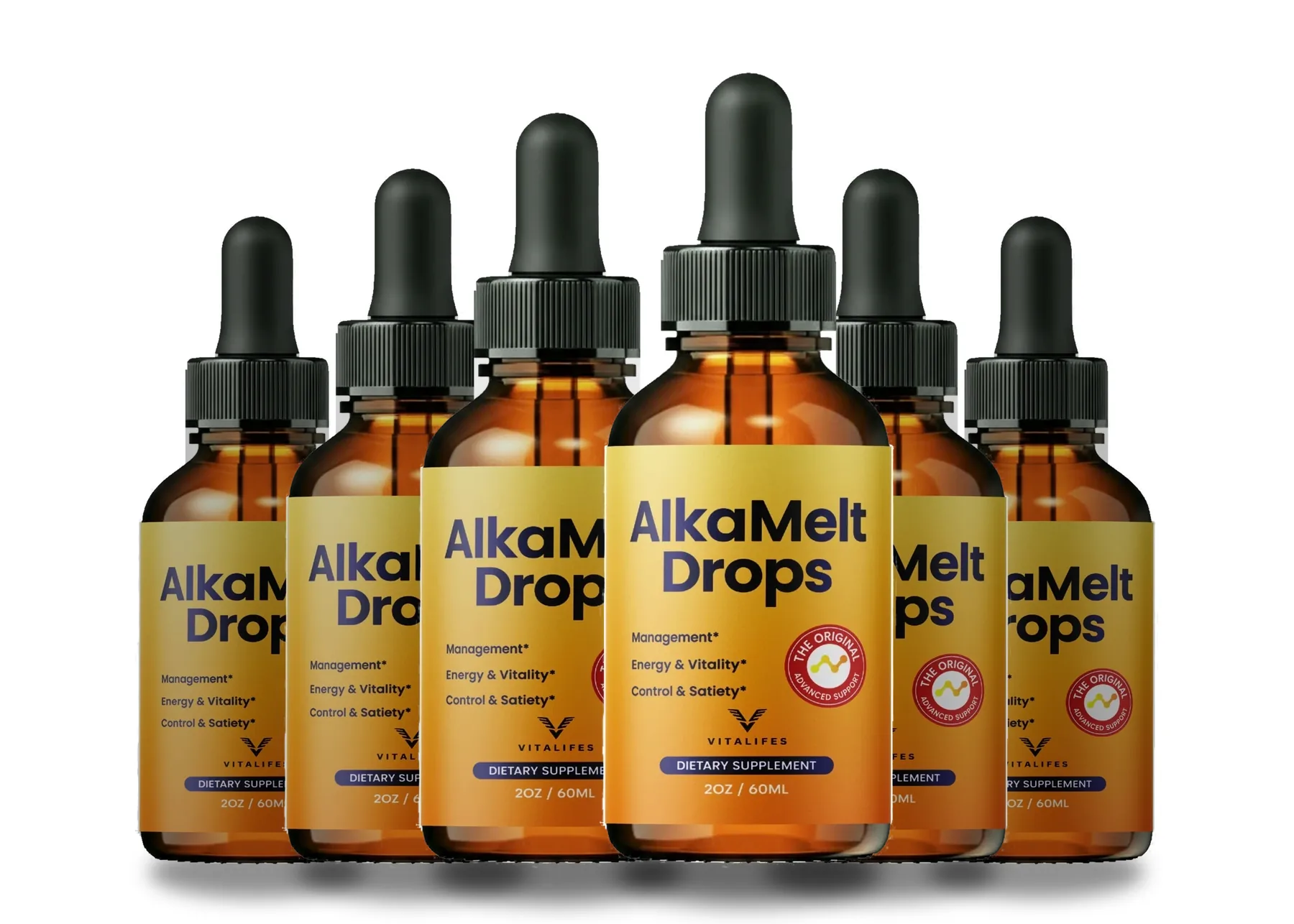
A 2 fl oz / 60 mL glass bottle in amber, topped with a dropper, is what arrives. The price and the guarantee are listed at the checkout, so you can read the window before you start any clock.
See today’s price and guaranteeYou will find the price only at checkout, because none is printed here. This site is the retailer, and it earns from orders made through its checkout.
- The seller reports 3–6 weeks as the wait buyers describe most often.
- The roster’s day numbers run from day 18 to day 57, so no buyer describes week one.
- The shortest published trial among the named botanicals measured at two weeks. Hawthorn’s dose-ranging work ran 16 weeks.
- No before and after photos, weights or measurements are published for this product.
- The marketplace listing prints the guarantee length. The pack’s seal shows no day count.
- Results vary. Sleep, food, movement and fluids all still matter.
How long does Alka Melt Drops take to work?
Count in weeks, not days. The seller’s only timing figure is 3–6 weeks. It is a summary the seller made from its own orders. It is not a trial result, and nobody checked whether the same people would report the same on a placebo.
So how should you treat it? As an expectation. It tells you how long buyers before you waited before forming a view. It does not promise you a change on any day.
There is a second clock. The research on the named botanicals ran for weeks too. The two clocks broadly agree, which is why the site says a fortnight is not a fair trial.
What are the 4 checkpoints for judging your own run?
Days 1 to 7: is it tolerable and repeatable?
Two things can be decided in week one, and neither is whether it works. Does it upset your stomach? Can you take it at the same point each day without thinking? If you only take it four days out of seven, you are running a different experiment from the trials.
Weeks 2 to 3: a first fair look
The first published measurement for any of these botanicals came at the two-week mark, in the briefest horse chestnut arms. No other botanical was measured before week four. If you plan to stop, do it here and name your reason, not out of impatience on day 29.
Weeks 4 to 6: the seller’s window
The seller reports this window most often. It is also when the gotu kola trials and the shorter horse chestnut trials took readings. If a change is going to show, both clocks agree this is the first time it could.
Weeks 8 to 12: time to decide
The butcher’s broom and grape seed protocols took readings here. A fair verdict is now possible. Ask two questions: did I take it every day, and is the guarantee window still open? Answer the second one first.
Which clock is right: the seller’s or the research?
| Material | Shortest published trial | What it measured first |
|---|---|---|
| Horse chestnut seed | 2 weeks | Leg volume, in the shortest trial arms |
| Gotu kola | 4 weeks | Microcirculation measures |
| Apple cider vinegar | 8 weeks | Body composition at the 8 to 12 week mark |
| Grape seed | 8 weeks | Flow-mediated dilation, plus blood pressure |
| Chinese hawthorn | 16 weeks | Exercise tolerance, in the dose-ranging trial |
| Butcher's broom | 12 weeks | Symptom scores, taken at 4, 8 and 12 weeks |
| Stone root and motherwort | None | No controlled trial exists |
These are trial clocks for named extracts at their own amounts. They are not a prediction for this bottle.
Look at what the first row measured. The research did not measure appetite or weight. It measured leg volume. So the research clock tells you how long it takes to see a change in those outcomes. It cannot tell you when you would notice anything from this bottle.
Are there Alka Melt Drops results or before and after photos?
Not published. The site shows no before and after photos, no weights and no measurements. We will not make any up.
What exists is a buyer roster with a day number against each name. The roster is summary copy and is not evidence of an effect. It does show one useful shape. The four who called the result fair wrote in between days 45 and 57. The three buyers whose habit stuck wrote in on days 18, 39 and 44. The single unhappy buyer left at day 29.
What changes how long it takes?
- How much you take. Because no serving is declared, two people can take amounts several times apart. Neither knows which one they are.
- How steady you are. The trials dosed every day. Five days in seven is a different protocol.
- What you measure. A feeling such as leg heaviness at day’s end tends to change sooner than a slow quantity on a scale.
- Everything else in your week. Sleep, salt, standing time, fluids and movement act on the same outcomes. One good fortnight in any of them can make the bottle look better than it is.
How do you time the guarantee window?
The pack’s seal names no number of days. The marketplace listing prints the length, so read it at the checkout.
Then write down three dates: the day the parcel arrives, the day the window closes, and one week before that. The last date is the day to decide. The listing also says if the window counts from the order date or the delivery date. Do not assume.
If the window ends before week six, it closes before the seller’s own usual wait is over. Know that before you choose a pack size. Being a supplement, it has no FDA approval and treats no disease.
Frequently asked questions
How long does Alka Melt Drops take to work?
Buyers most often report waiting 3–6 weeks, according to the seller. The research behind the named botanicals ran for weeks, not days. Nothing here is fast, and results vary.
Will I notice anything in week one?
The site says no. No named botanical is a stimulant, and no trial of them took a measurement before week two. Week one is for checking that you tolerate it and can repeat it.
Are there before and after results for Alka Melt Drops?
Not published. The site shows no before and after photos, weights or measurements. It shows a seller-supplied roster of eight buyers, which is not evidence of an effect.
Will taking more speed things up?
There is no way to know, since no serving is stated and nobody has studied doses of this product. Do not exceed the directions on the bottle.
What if nothing has changed by week eight?
By both clocks, eight weeks counts as a fair run. That is the moment to decide, and to use the return route if the guarantee window on the listing is still open.
When does the guarantee window start?
The length is printed on the marketplace listing, so read it at the checkout. The listing says whether it runs from purchase or from delivery. Set a reminder a week before it closes.
Our view
Patience is the real answer, and we know it is not a satisfying one. Three to six weeks is the seller’s own figure. The research agrees it is slow. Nothing in the research suggests a change in week one.
The fair way to use the four checkpoints is to write down what you count on day one and look again on schedule. That turns a feeling into a note. A note is hard to bend.
Keep one eye on the guarantee window. A good window is only useful if you decide before it closes. If any medicine is part of your day, tell your doctor, and remember that no supplement is FDA approved.
To run the four checkpoints, read the guarantee length at the checkout first, because it decides when you must choose.
See today’s price and guaranteeThis site prints no price, so you see the figure at checkout. Disclosure: the site sells the product and earns when an order goes through its checkout.
Last updated . Medically reviewed by Dr. Chioma Okafor-Mbah, MD, Physician, on the same date.
Sources named on this site
- the Cochrane horse chestnut review – https://pubmed.ncbi.nlm.nih.gov/23152216/
- the placebo-controlled Ruscus trial – https://pubmed.ncbi.nlm.nih.gov/12040966/
- the WS 1442 dose-ranging trial – https://pubmed.ncbi.nlm.nih.gov/12040357/
- a 1994 double-blind microcirculation study – https://pubmed.ncbi.nlm.nih.gov/7936334/
- a 2025 meta-analysis of apple cider vinegar – https://pubmed.ncbi.nlm.nih.gov/41010525/
- the Cochrane phlebotonics review – https://pubmed.ncbi.nlm.nih.gov/33141449/