Alka Melt Drops Official Website › Blog › Horse Chestnut: The Trial Dose
Horse Chestnut: The Dose The Trials Actually Used
Of the seven botanicals on this product’s retail pack sheet, horse chestnut has the most settled evidence and the least ambiguous dose. Six hundred milligrams a day of seed extract, standardised to a hundred milligrams of aescin. Knowing that one figure changes how you read every label that names the plant.
- The controlled trials ran at 600 mg a day of horse chestnut seed extract.
- That extract was standardised to 100 mg of aescin, usually split as two capsules of 50 mg aescin each.
- The outcome measured was chronic venous insufficiency: leg pain, oedema and itching.
- Aescin is the figure that matters. Two preparations of identical weight can carry very different amounts of it.
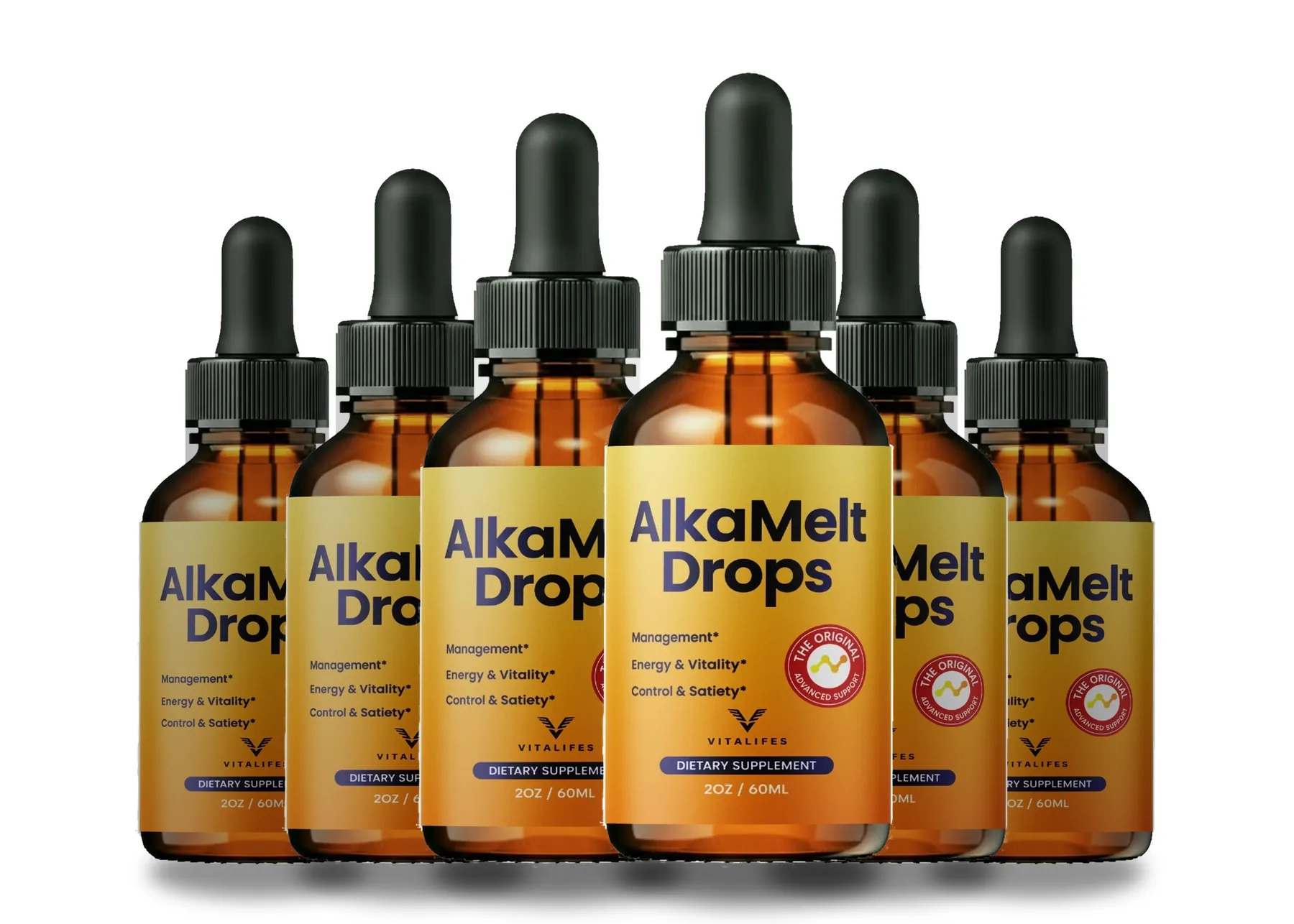
- This bottle declares no amount for any name, so the comparison can be set out on the research side only.
The plant, and the part that was studied
Aesculus hippocastanum is a large ornamental tree familiar across Europe, and the conker inside the spiked case is the seed. That seed is the part with the research behind it. Leaf and bark preparations exist, and they are not the ones the trials used.
This distinction is worth insisting on because it is the commonest place a label quietly changes the subject. A row reading “horse chestnut extract” with no part named could be seed, and the research would apply; or it could be something else, and none of it would.
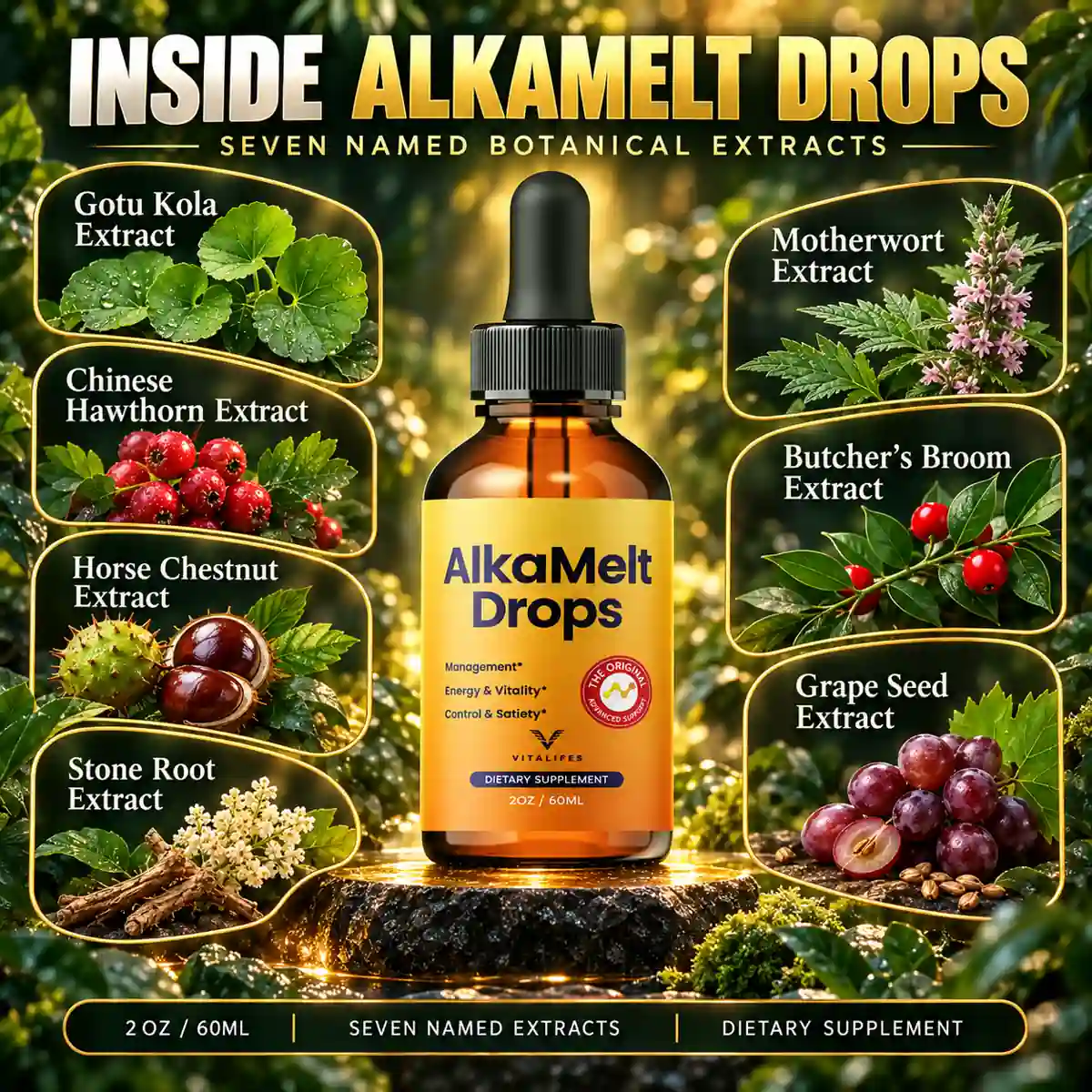
The retail pack sheet for this product names the plant without a part in its own list, and this desk records the schema entry as seed because the seed preparation is what the literature means when it says horse chestnut extract. That is an inference and it is flagged as one rather than presented as a reading of the bottle.
Where the 600 mg figure comes from
The Cochrane review of horse chestnut seed extract for chronic venous insufficiency is the anchor. It pooled the randomised evidence and it is the most solid result available on anything named on this product’s pack sheet.
Around it sit three older records that establish the same dose from different angles. A criteria-based systematic review assessed trial quality across the literature. The transcapillary filtration study looked at the mechanism directly, measuring fluid movement out of the capillaries in the lower leg. And a placebo-controlled trial in deep vein incompetence tested oedema protection against placebo.
What is unusual, and useful, is how little the dose moves across them.
| Study | What it tested | Dose | Outcome measured |
|---|---|---|---|
| The Cochrane review | Pooled randomised trials in chronic venous insufficiency | 600 mg/day seed extract, 100 mg aescin | Leg pain, oedema, itching |
| The transcapillary filtration study | Fluid movement out of the capillaries | Standardised seed extract | Filtration rate in the lower leg |
| The criteria-based systematic review | Trial quality across the literature | 600 mg/day in the trials assessed | Whether the evidence met stated criteria |
| The placebo-controlled oedema trial | Deep vein incompetence | Standardised seed extract against placebo | Oedema protection |
Four records, one plant, and a dose that barely moves between them.
A literature that agrees on its dose is rarer than it sounds. Several names in this category have trials running at amounts an order of magnitude apart, which makes any comparison to a label a matter of which trial you pick. Horse chestnut does not have that problem.
Why aescin is the number that matters
Aescin, sometimes written escin, is a mixture of saponins and it is the fraction the seed extract is standardised to. This is the part that trips up a reader comparing labels, and it is worth ten seconds of arithmetic.
Six hundred milligrams of a seed extract standardised to 100 mg of aescin is a preparation carrying roughly sixteen per cent aescin. Six hundred milligrams of an unstandardised extract might carry half that, or a quarter of it, and nothing on the label would tell you. The two rows look identical and the second is not the trial dose.
| The figure | What it refers to | Why it is the one to carry |
|---|---|---|
| 600 mg a day | Weight of the standardised seed extract | The amount the trials actually administered |
| 100 mg aescin | The standardised active fraction inside that 600 mg | Two preparations of the same weight can carry different amounts of it |
| Twice daily | How the trials split the dose | Usually two capsules, each standardised to 50 mg of aescin |
| Weeks to months | Trial durations in the pooled set | Short trials in this literature are two weeks; useful ones run considerably longer |
Four numbers, and the second is the one a label has to print for the first to mean anything.
So a label naming horse chestnut without a standardisation figure has printed a weight whose meaning depends on a manufacturing choice it has not disclosed. That is a much weaker row than it appears, and it is worth noticing on any product, not only this one.
Read the Alka Melt Drops research beside every name
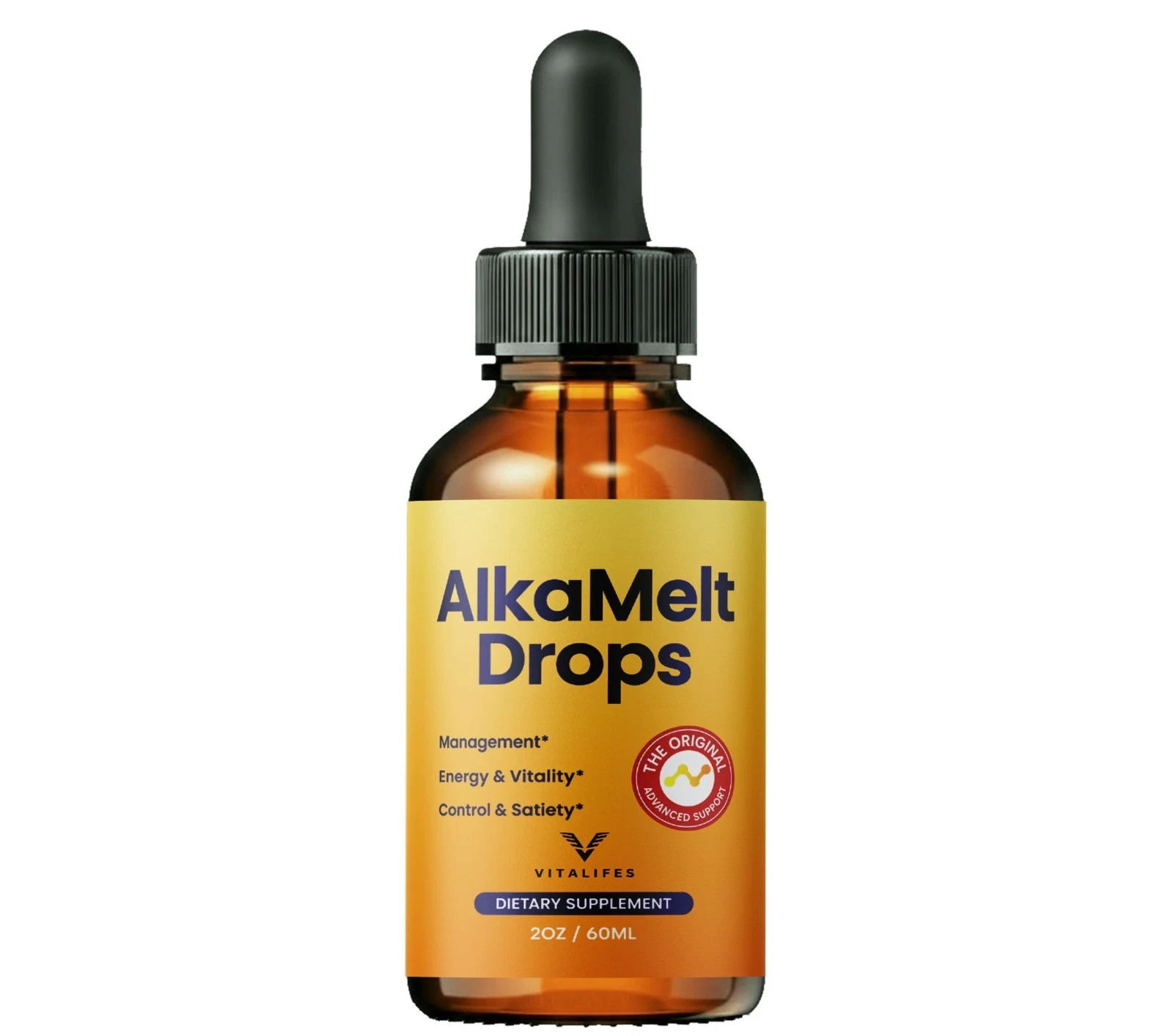
Seven botanicals on the retail pack sheet, four more on the seller’s artwork, and the dose each one’s trials used printed next to it. A 2 fl oz / 60 mL amber glass dropper bottle, with the pack price at the seller’s checkout.
Price at checkout · one-time payment · money-back guarantee as printed on the listing
Order Alka Melt Drops On The Official Website2 fl oz / 60 mL amber glass dropper bottle · lot ALK-26/TH-2256
What the trials were measuring
This is where a reader has to be careful, because the evidence is good and it is evidence for something specific.
Chronic venous insufficiency is a condition in which the valves in the leg veins do not close properly, so blood pools and fluid moves out into the tissue. The symptoms the trials recorded were leg pain, swelling, heaviness and itching, and the instruments were measurements of the leg and scored symptom reports.
The Cochrane phlebotonics review covers the whole class of preparations used for this condition, and horse chestnut sits inside it alongside gotu kola, butcher’s broom and several others. It is a well-populated corner of botanical medicine with decades of work behind it.
None of that work measured appetite, energy or anything a metabolism bottle is bought for. That is not a criticism of the research. It is a statement about what the research is evidence for, and it is the single most important sentence in this article.
Reading a horse chestnut row on any label
Four questions, in order, and they take about a minute between them.
- Is the part named? Seed is the studied part. A bare plant name leaves it open.
- Is a weight printed? Without one there is nothing to compare, whatever else the label says about the plant.
- Is a standardisation figure given? Look for aescin or escin with a percentage or a milligram figure. This is the row that separates a trial dose from a weight.
- Does the total reach 600 mg a day at the stated serving? Multiply the row by the servings, not by the capsules, and compare.
A label answering all four is uncommon and worth paying more for. A label answering the first two is ordinary. A label answering none has named a plant rather than dosed one.
Butcher’s broom, gotu kola and grape seed all have standardised preparations behind their trials too, and the same four questions work on each. That is why the checklist is worth learning once rather than looking up per ingredient.
What that means for this bottle
The front wrap declares no amount for horse chestnut or for anything else, and no standardisation figure appears on any of the four published ingredient lists. So the fourth question above cannot be answered here, and the third cannot either.
What this desk can do, and does on the ingredients page, is print the research column in full beside an empty label column. Every trial dose on that page is real and checkable. None of them describes what is in this dropper.
That is an honest position rather than a satisfying one. A reader who wants to know whether this bottle carries a researched amount of horse chestnut cannot find out from anything the seller publishes, and no amount of reading on this website will change that.
What horse chestnut is not being accused of
Two things, both of which get said about this plant and neither of which the record supports.
It is not a weak ingredient. Within its own literature it is one of the better-supported botanicals in the whole of herbal medicine, with a pooled review, a mechanistic study and placebo-controlled trials behind it. Very few names on a supplement label can say that.
And it is not unsafe at the researched amount. The trials ran for weeks to months at 600 mg a day and reported the usual mild gastrointestinal effects. The caution worth carrying is about combination rather than about the plant: horse chestnut sits alongside butcher’s broom and grape seed in carrying bleeding cautions, so anyone on an anticoagulant should raise it before starting. The safety page sets that out with the evidence weighed.
References
- Pittler MH, Ernst E. Horse chestnut seed extract for chronic venous insufficiency. Cochrane Database Syst Rev. 2012;11(11):CD003230. PMID 23152216. https://pubmed.ncbi.nlm.nih.gov/23152216/
- Bisler H, Pfeifer R, Kluken N, Pauschinger P. [Effects of horse-chestnut seed extract on transcapillary filtration in chronic venous insufficiency]. Dtsch Med Wochenschr. 1986;111(35):1321-9. PMID 3527643. https://pubmed.ncbi.nlm.nih.gov/3527643/
- Pittler MH, Ernst E. Horse-chestnut seed extract for chronic venous insufficiency. A criteria-based systematic review. Arch Dermatol. 1998;134(11):1356-60. PMID 9828868. https://pubmed.ncbi.nlm.nih.gov/9828868/
- Diehm C, Vollbrecht D, Amendt K, Comberg HU. Medical edema protection--clinical benefit in patients with chronic deep vein incompetence. A placebo controlled double blind study. Vasa. 1992;21(2):188-92. PMID 1621440. https://pubmed.ncbi.nlm.nih.gov/1621440/
- Martinez-Zapata MJ, Vernooij RW, Simancas-Racines D, et al. Phlebotonics for venous insufficiency. Cochrane Database Syst Rev. 2020;11(11):CD003229. PMID 33141449. https://pubmed.ncbi.nlm.nih.gov/33141449/