Alka Melt Drops Official Website › Blog › Alka Melt Drops Interactions
Alka Melt Drops Interactions: What the Evidence Behind Each Shows
Quick answer. Alka Melt Drops interactions come in four strengths. Hawthorn and digoxin was studied in 12 healthy volunteers. Hawthorn can also disturb the blood test for digoxin. Bleeding cautions rest on mechanism, not recorded bleeds. A glucose effect applies only if the seller’s artwork list is real. No amounts are printed, so none can be scaled to a serving.
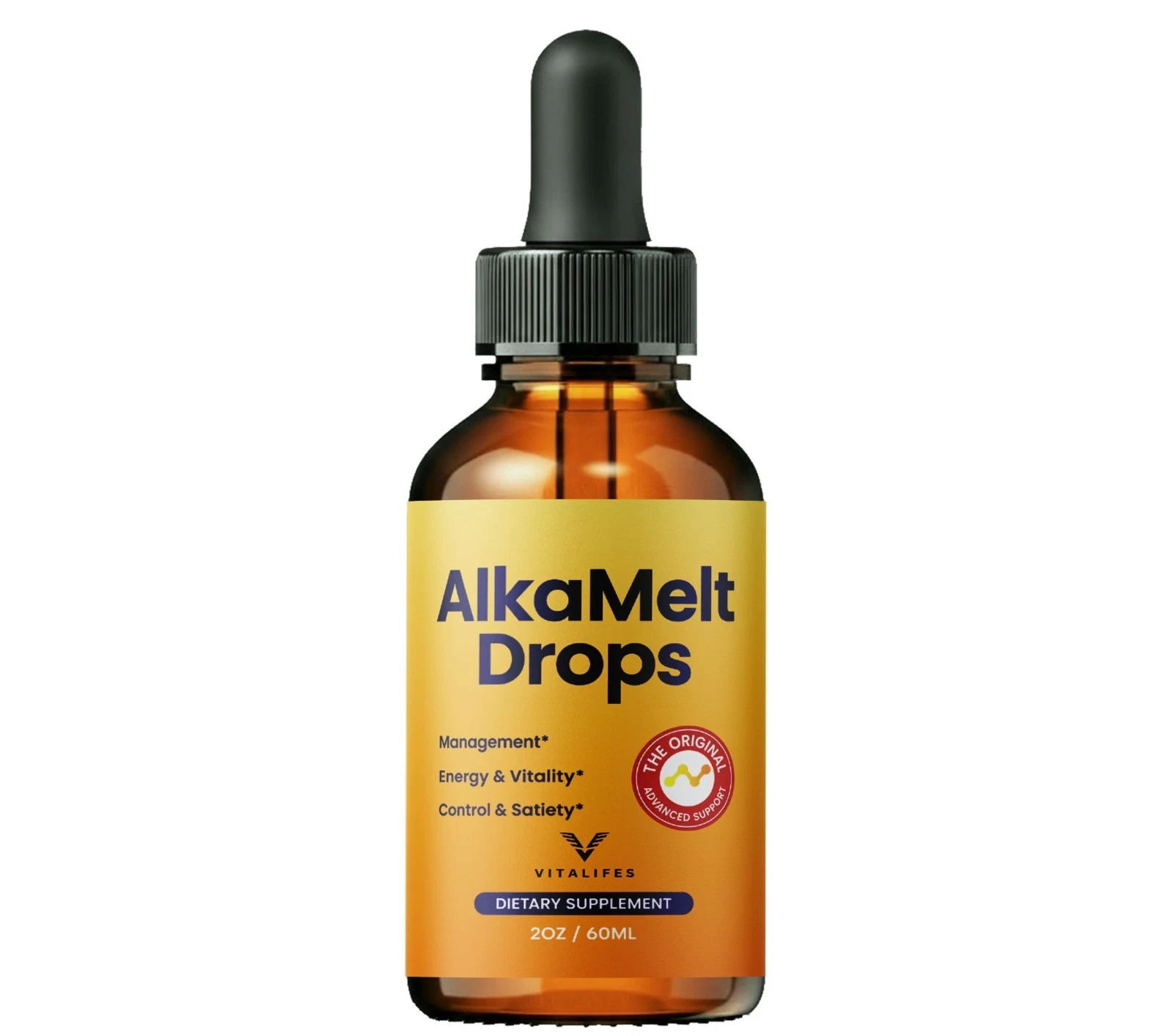
Want the facts about the pack in front of you while you read the evidence? The checkout shows the packs and the guarantee.
See today’s price and guarantee
This site prints no price, so you see the figure at checkout. Disclosure: the site sells the product and earns when an order goes through its checkout.
- Digoxin: a crossover study gave 12 healthy volunteers 450 mg of hawthorn extract twice daily for three weeks. The drug’s handling did not shift meaningfully.
- The separate problem is the blood test: hawthorn constituents cross-react with the immunoassays used to measure digoxin, so a reading can be wrong.
- Bleeding: horse chestnut, butcher’s broom and grape seed. The basis is laboratory work on platelets and capillaries. Nobody has shown a bleed at trial amounts.
- Heart and blood-pressure medicines: hawthorn was pooled across 14 trials alongside conventional treatment, under supervision.
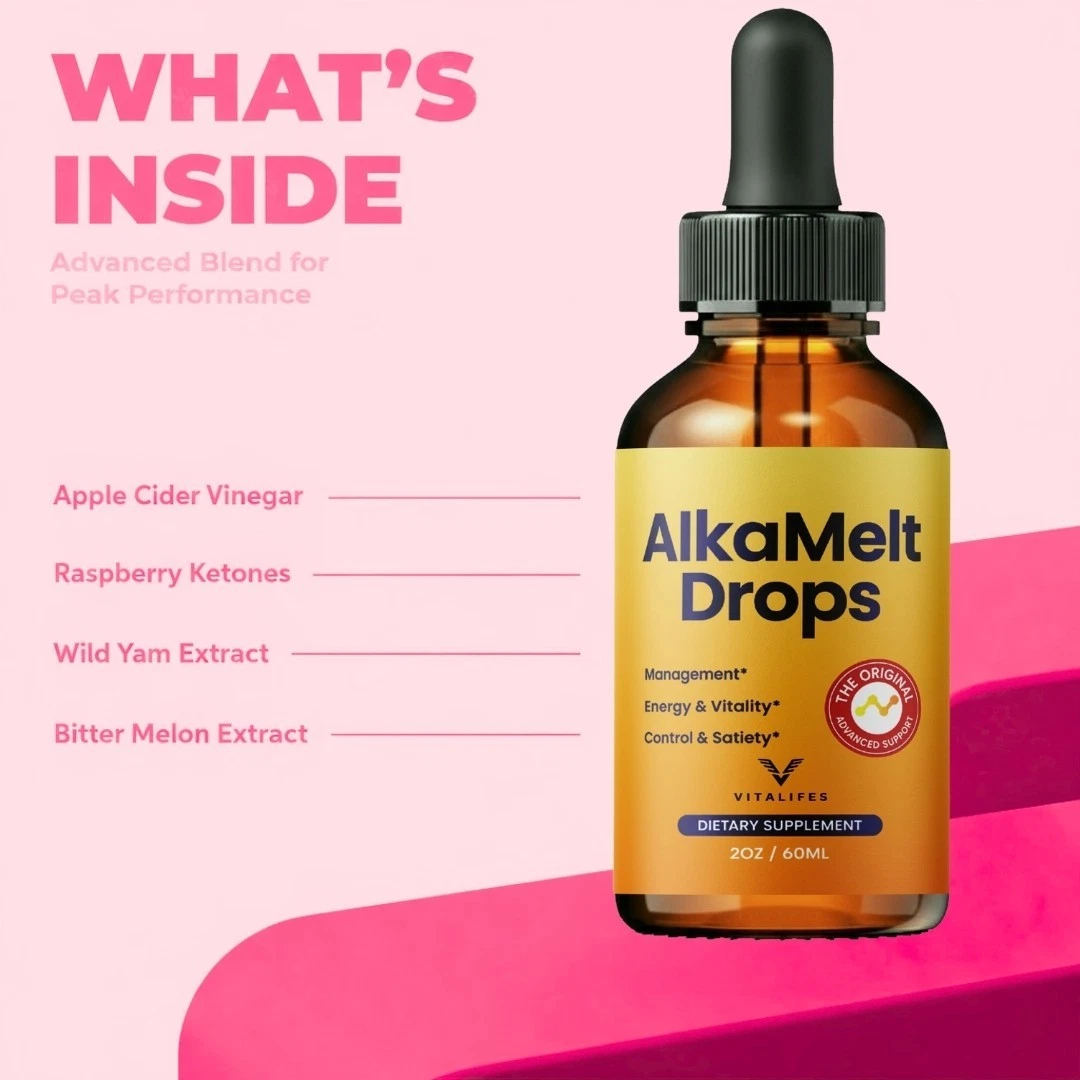
- Glucose: bitter melon lowered fasting glucose at 2,000 mg a day. It sits on the seller’s artwork list, not on the retail sheet.
What are the Alka Melt Drops interactions?
The site names Alka Melt Drops interactions in four groups and ranks them by how well they are supported. That ranking is the most useful thing a reader can take away. A measured result, a lab-test problem, a mechanism and a conditional effect are four different kinds of evidence. They deserve four different levels of worry.
All four share one limit. A safety profile is a dose-response curve, and this bottle prints no amount. Every figure on this page is anchored to a trial amount. None of them can be carried across to a serving of these drops without an assumption nobody has earned.
What is the digoxin result among Alka Melt Drops interactions?
This is the only interaction in the list with a measured study, and it holds a surprise. The study was a crossover in 12 healthy volunteers. They received digoxin alone and then digoxin with 450 mg of hawthorn extract twice daily for three weeks. The pharmacokinetics did not shift meaningfully. That is reassuring about the drug itself.
The separate problem is the test. Hawthorn constituents cross-react with the immunoassays that laboratories use to measure digoxin levels. A blood result can therefore read wrong even when the dose is fine. Digoxin has a narrow margin between a useful level and a harmful one, so a wrong reading matters. The practical step is the same either way: anyone on digoxin should tell the prescribing doctor, so the result is read with that in mind.
How strong are the bleeding cautions among Alka Melt Drops interactions?
Weaker than they sound among Alka Melt Drops interactions, and still worth mentioning. Horse chestnut, butcher’s broom and grape seed all carry bleeding cautions. The basis is mechanistic. Aescin and proanthocyanidins affect platelet behaviour and capillary permeability in laboratory work, and the venous trials were not designed to detect bleeding events.
The site is honest about what that means. Nobody has shown a bleed caused by these extracts at trial amounts. The caution stands anyway, because the consequence of a bleed is serious and the cost of mentioning it to a prescriber is nothing. The same logic applies to surgery. The usual advice for botanical supplements is to stop two weeks beforehand and tell the surgical team.
Which heart and blood-pressure medicines interact with Alka Melt Drops?
Possibly many, and the site does not claim to know. What it says is narrower and more useful. Hawthorn has been studied as an add-on in chronic heart failure, which is the same territory several prescriptions occupy. A Cochrane review pooled 14 trials and found symptom benefit alongside conventional treatment. The two were taken together deliberately and under supervision.
Grape seed adds a second angle, because a meta-analysis of 16 trials looked at blood pressure. So a plausible interaction exists with blood-pressure tablets. The point of the evidence is not that the combination is dangerous. It is that it was studied with supervision, and that taking a botanical from that class without telling whoever manages the prescription is the part to avoid.
When do glucose-lowering medicines matter among Alka Melt Drops interactions?
Only under one condition, and the condition is the point. Bitter melon appears on the seller’s own artwork and not on the retail sheet. In a controlled trial it lowered fasting glucose at 2,000 mg a day. That is a real effect, and it stacks with a glucose-lowering prescription.
Whether any bitter melon is in the bottle is unknown, because the seller shows two lists that do not agree. That is exactly why someone on insulin or a sulfonylurea should raise it. The practical risk is a low reading, and it is manageable when the prescriber knows. Light-headedness, sweating or confusion is a reason to check a reading before assuming something else.
What is not known about Alka Melt Drops interactions?
A lot, and it is honest to list it. The unknowns around Alka Melt Drops interactions are larger than the knowns.
- How much of each botanical is in a serving. The label prints no serving size and no amounts.
- Which ingredient list is the real one. Seven names on one source, four on another, and no panel to decide.
- Whether any interaction occurs at the trace amounts a 60 mL dropper might hold.
- What happens when all of the named materials are taken together. No study has combined them.
One photograph of a back panel with a Supplement Facts declaration, or a certificate of analysis for lot ALK-26/TH-2256 with quantities on it, would close much of that gap. If either reaches the website team, this page changes the same week.
How strong is the evidence behind each Alka Melt Drops interaction?
| Interaction | The evidence | Strength |
|---|---|---|
| Hawthorn and digoxin | Crossover study, 12 healthy volunteers, 450 mg twice daily for three weeks | Measured. No meaningful shift in drug handling |
| Hawthorn and the digoxin blood test | Constituents cross-react with the immunoassays | Documented. A reading can mislead |
| Horse chestnut, butcher’s broom, grape seed and bleeding | Platelet and capillary effects in laboratory work | Mechanistic. No bleeds shown at trial amounts |
| Hawthorn and heart medicines | Cochrane review of 14 trials, taken alongside conventional treatment | Studied under supervision |
| Bitter melon and glucose-lowering medicines | Controlled trial at 2,000 mg a day lowered fasting glucose | Real effect. Conditional on the artwork list |
Taken from the side effects page of this website. All amounts are the trials’ amounts, not the bottle’s.
Where do these facts come from?
This page leans on the pages of this website and on public guides to how supplements are sold and overseen.
- The hawthorn and digoxin interaction study
- A study of hawthorn and digoxin blood tests
- The Cochrane review of hawthorn extract
- The Cochrane review of horse chestnut seed extract
- The placebo-controlled butcher’s broom trial
- A meta-analysis of 16 grape seed blood-pressure trials
- A 2,000 mg a day bitter melon trial
Frequently asked questions
What are the main Alka Melt Drops interactions?
Hawthorn with digoxin and its blood test, bleeding cautions with anticoagulants, heart and blood-pressure medicines, and a conditional glucose effect.
Is the digoxin interaction proven?
It was measured in 12 healthy volunteers, and the drug’s handling did not shift meaningfully. The separate blood-test problem is documented.
Are the bleeding cautions proven?
No. They rest on laboratory work, not recorded bleeds in trials. The caution stands because mentioning it costs nothing.
Does Alka Melt Drops lower blood sugar?
Only if bitter melon from the seller’s artwork list is in the bottle. That is not known.
Can the trial amounts be applied to the bottle?
No. The label prints no amounts, so trial figures cannot be scaled to a serving.
Who should I tell?
The prescriber of any medicine you take, before the first serving, in plain words.
Our view
Alka Melt Drops interactions are not one big warning. They are four different findings, and the site ranks them honestly. Digoxin and its blood test are the sharpest. Bleeding and heart medicines are cautions. Glucose is a conditional.
None of the four can be sized, because the label does not say how much is in the bottle. That is the real finding of this page, and it is why the advice is the same for all of them: tell your prescriber.
The evidence here is more reassuring than a generic warning and more precise than silence. Use it to have a short, informed conversation.
Alka Melt Drops is a dietary supplement. It is not FDA approved, and no supplement is. These statements have not been evaluated by the Food and Drug Administration. This product is not intended to diagnose, treat, cure or prevent any disease. This page is general information, not medical advice. If you take a medicine, are pregnant or nursing, or have a health condition, ask your doctor before you use it.
Whatever the strength of the evidence, say it to your prescriber in plain words before the first serving.
See today’s price and guarantee
This site prints no price, so you see the figure at checkout. Disclosure: the site sells the product and earns when an order goes through its checkout.
Last updated . Medically reviewed by Dr. Chioma Okafor-Mbah, MD, Physician, on the same date.